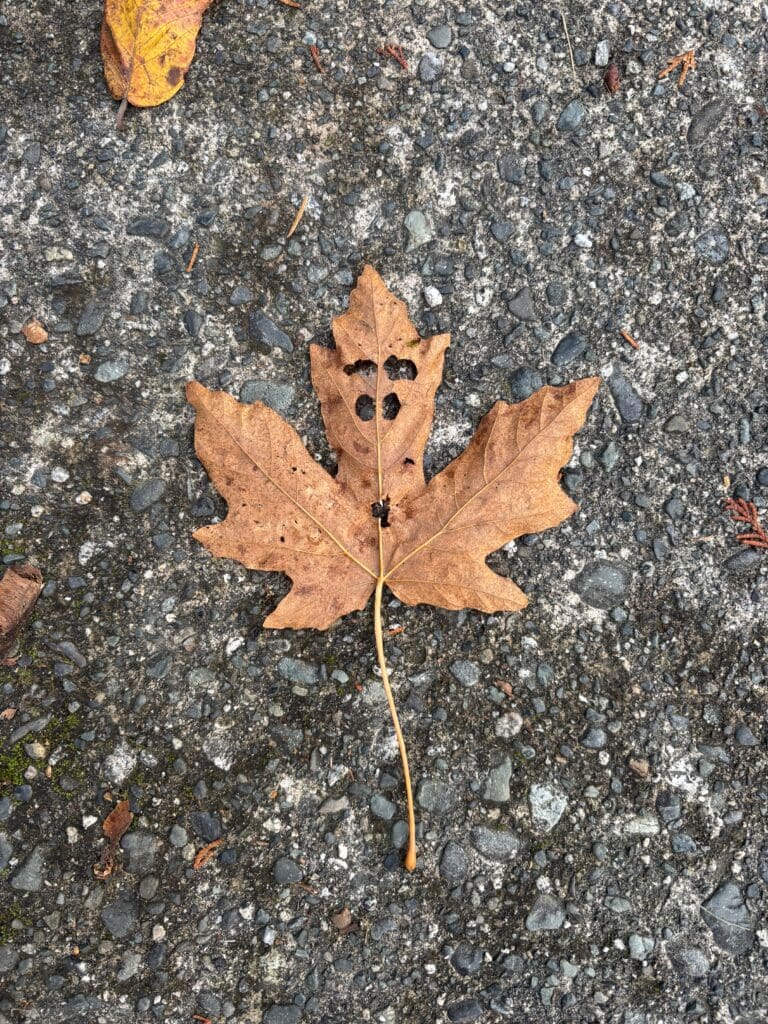
While it is hard for me to fully accept that autumn is on the way, the cooler mornings and leaves are telling me otherwise. And so, I must embrace this season, and the beauty it brings, along with some of the reflection and melancholy I tend to find in it.
I am the daughter of a farmer from Southern Alberta, so there is a sweetness to fall for me- and to the smells and sense of harvest, of digging up potatoes in cool soil, of noticing the moon earlier in the evening. There is also a great deal of sweetness to be found in horticultural therapy and nature-based therapy programs and activities during this season. Fall offers us so much to work with if we are willing to notice it.
Autumn invites us to adapt programming in ways that are responsive to the environment, the people we are working with, and the goals of the session.
Why Fall Works Well for Programming
Fall programming can be especially engaging because it offers so many sensory and practical experiences. The textures, colours, scents, and rhythms of the season create strong opportunities for connection, reminiscing, and sensory stimulation.
For many people, fall also naturally connects to memory and routine. It may bring up familiar tasks such as harvest, food preparation, bulb planting, garden cleanup, and seasonal decorating. These are all familiar, concrete, and often satisfying activities that can be adapted for a wide range of abilities. Many of my fall programs tend towards harvesting and cooking- and you’ll see a few examples of such below.
Planning with the Season in Mind
When I am planning fall programming, I start by considering what the season makes possible. That means looking at both the environment and the participants.
A few questions guide the planning process:
- What is still growing or available outdoors?
- What materials can be gathered, preserved, or brought indoors?
- What sensory experiences are accessible and meaningful right now?
- How can the activity support the goals of the group or individual?
- What adaptations may be needed because of weather, light, mobility, or cognitive changes?
This kind of planning helps ensure that the session is not just seasonal for the sake of it, but actually grounded in therapeutic intent.
Ideas for Fall Horticultural Therapy Programming
There are many ways to build fall into horticultural therapy sessions. Here are just a few programming examples I have been facilitating, or plan to facilitate, the fall!

Herb Butter
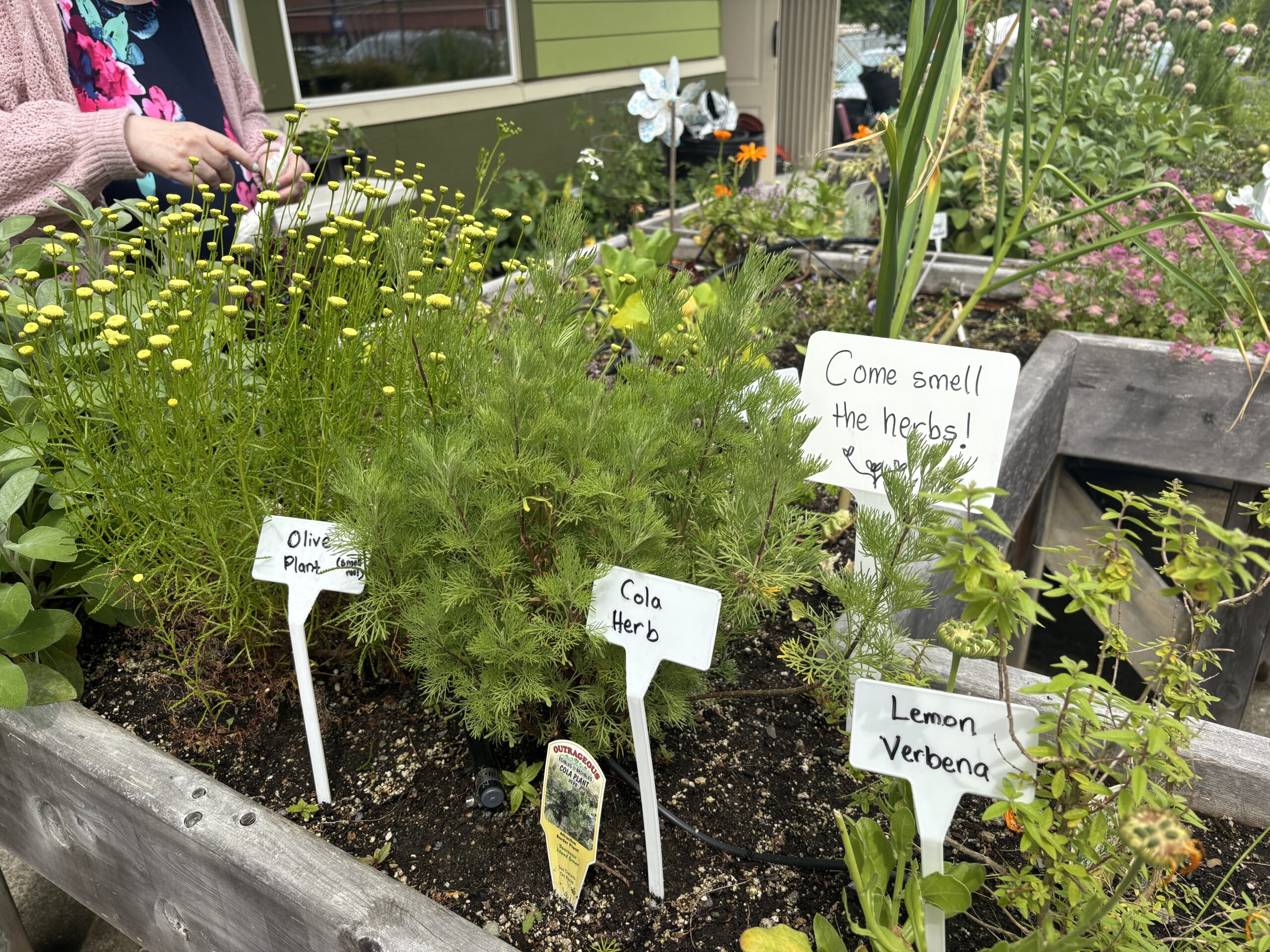
I often hold this program for September, when we may be cutting back herbs. Pick up some fun herbs, or harvest them from your garden if you have them, and invite participants to take their time smelling, guessing varieties, and stripping the leaves.
This activity works well across a range of levels of function because you can adapt it in different ways. Some participants may enjoy cutting the herbs with clippers or knives, while others may prefer to simply rip them up with their hands. Once the butter is mixed, roll it in parchment paper into logs and freeze it, or give it away.
This is a lovely sensory activity, and there’s a feeling of creating something useful and tangible.
Apple Tasting and Memories
Try a few different varieties of apples and invite residents to compare their taste, smell, texture, and appearance. This can be a simple but rich activity, especially when paired with conversation.
It may lead naturally into memories of apple trees, orchards, baking, picking apples, or favourite fall recipes. For many people, apples are deeply connected to family traditions and seasonal routines, which makes this an especially meaningful activity in a therapeutic setting.
Autumn Nature Table or Display
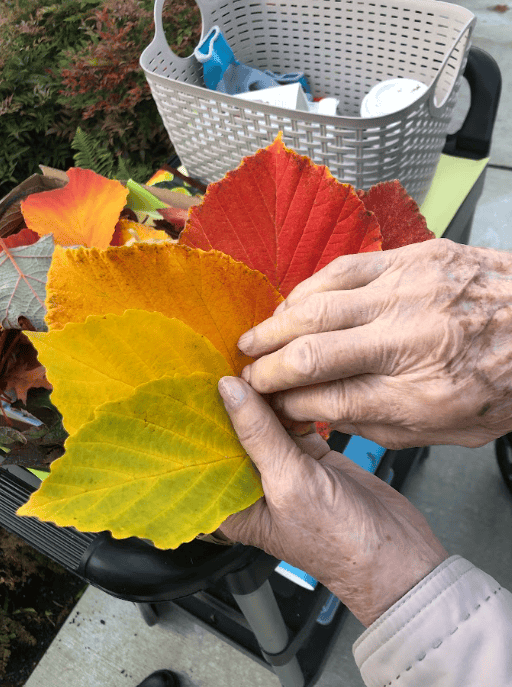
Create a small seasonal display using materials from the garden, flowers that are still blooming, seed heads, leaves, herbs, vegetables, branches, and other natural materials. Residents can help select and arrange the items on the tabletop, in vases, in baskets, or in some other creative way.
This kind of display works well because it allows for choice, visual engagement, and participation at different levels. Some participants may enjoy arranging materials directly, while others may prefer to observe, select, or simply enjoy the finished display.
Harvest and Sorting Activities
Gathering herbs, vegetables, flowers, or seed heads can support fine motor skills, visual scanning, sequencing, and gentle upper body movement. Once harvested, materials can be sorted by colour, size, texture, or type.
Bulb Planting
Fall is the season for planting spring bulbs, which makes for a wonderful lesson in patience, hope, and seasonal cycles. Bulb planting can also support hand strength, bilateral coordination, and following directions.
For some participants, this is a very meaningful activity because it connects present action with future anticipation. There is something deeply therapeutic about doing a small task now with the understanding that it will matter later.
Sensory Exploration
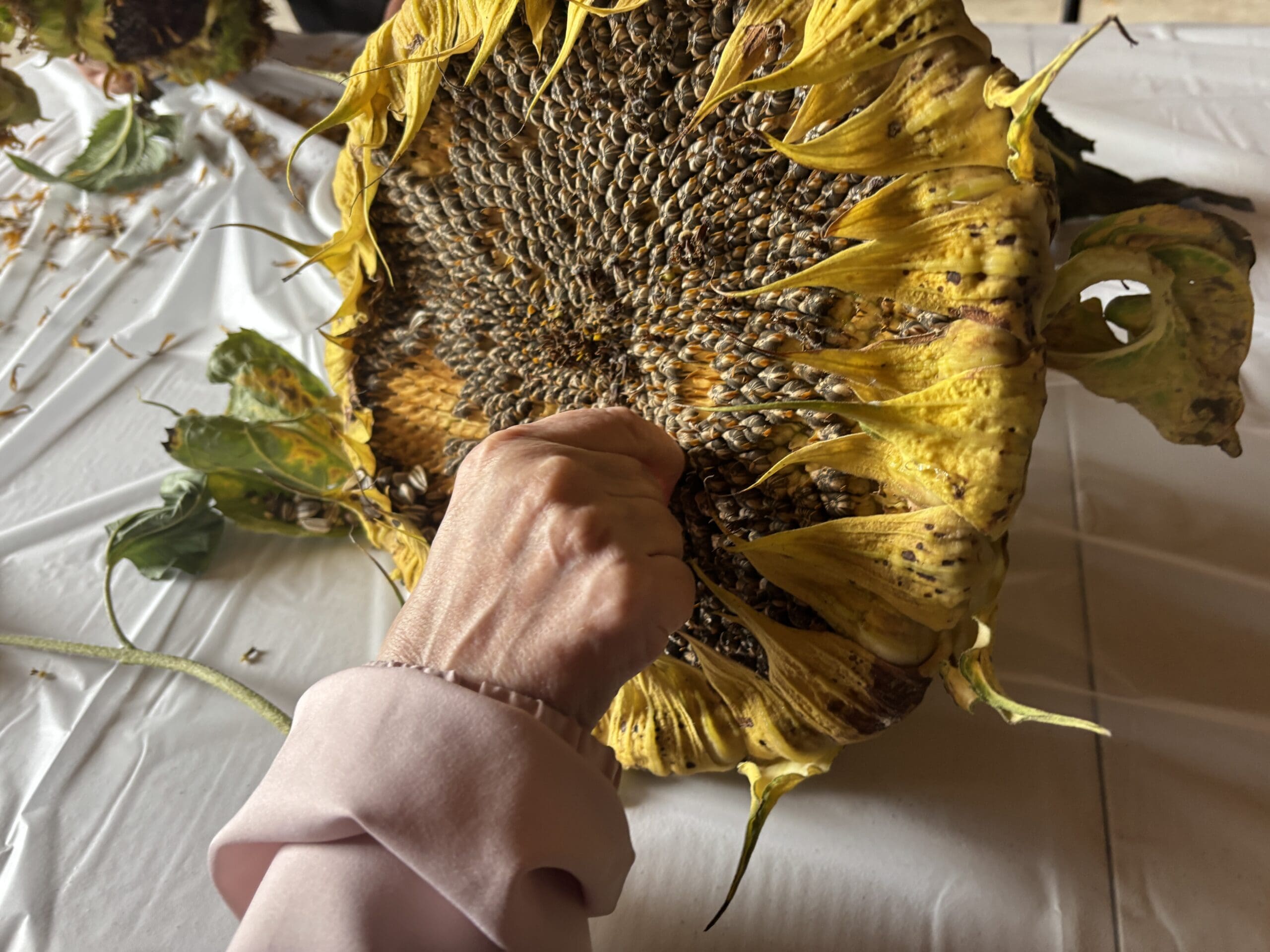
Fall offers a rich sensory palette. A session might include touching seed pods, smelling herbs, comparing the texture of bark and leaves, or exploring the difference between fresh and dried plant material.
For participants living with dementia, sensory exploration can be especially effective because it is immediate and accessible. It can also create a calm, grounding experience without requiring a complex verbal response.
Garden Cleanup with Purpose
While cleanup is often seen as maintenance rather than programming, it can be therapeutic when it is intentionally structured. Raking, gathering, cutting back, composting, and tidying can all be adapted into meaningful activity.
These tasks can support movement, task completion, contribution to the space, and a sense of stewardship. For some participants, helping the garden prepare for rest can be a reflective or satisfying experience.
The Therapeutic Value of Slowing Down
There is something important about fall that goes beyond activity selection. The season itself models transition.
In a culture that often values constant productivity, fall gives us a chance to work with a different pace. In horticultural therapy, that slower rhythm can support attention, regulation, and reflection. It can also make room for release, grief, change, and acceptance, which are sometimes part of the therapeutic process even when they are not named directly.
This is one of the reasons I appreciate fall programming so much. It reminds us that rest is not the same as absence. The garden may be changing, but it is still teaching, still offering, still holding space for growth in another form.
Practical Considerations
Fall programming also requires some practical planning.
Weather can change quickly, so I always think about backup options. If the session is meant to happen outdoors, it helps to have an indoor version ready. That might mean bringing in plant materials, using collected natural objects, or shifting the focus to planning, sorting, or arranging.
Lighting is another consideration, especially later in the season. Participants may need more visual support, and timing sessions earlier in the day can make a meaningful difference.
Accessibility matters too. Wet ground, cooler temperatures, and heavier clothing can all affect mobility and comfort. Small adjustments like stable seating, easier access to materials, and shorter task sequences can help make fall programming more inclusive.
A Season Full of Possibility
Fall does not ask us to do everything at once. It asks us to notice, to adapt, and to work with what is available. In horticultural therapy, that can be a powerful starting point.
Whether we are planting bulbs, sorting seeds, exploring textures, making arrangements, or simply taking time to observe the changing garden, fall programming offers many ways to support connection and meaning.
Sometimes the most therapeutic thing we can do is meet the season as it is, and invite others to do the same.