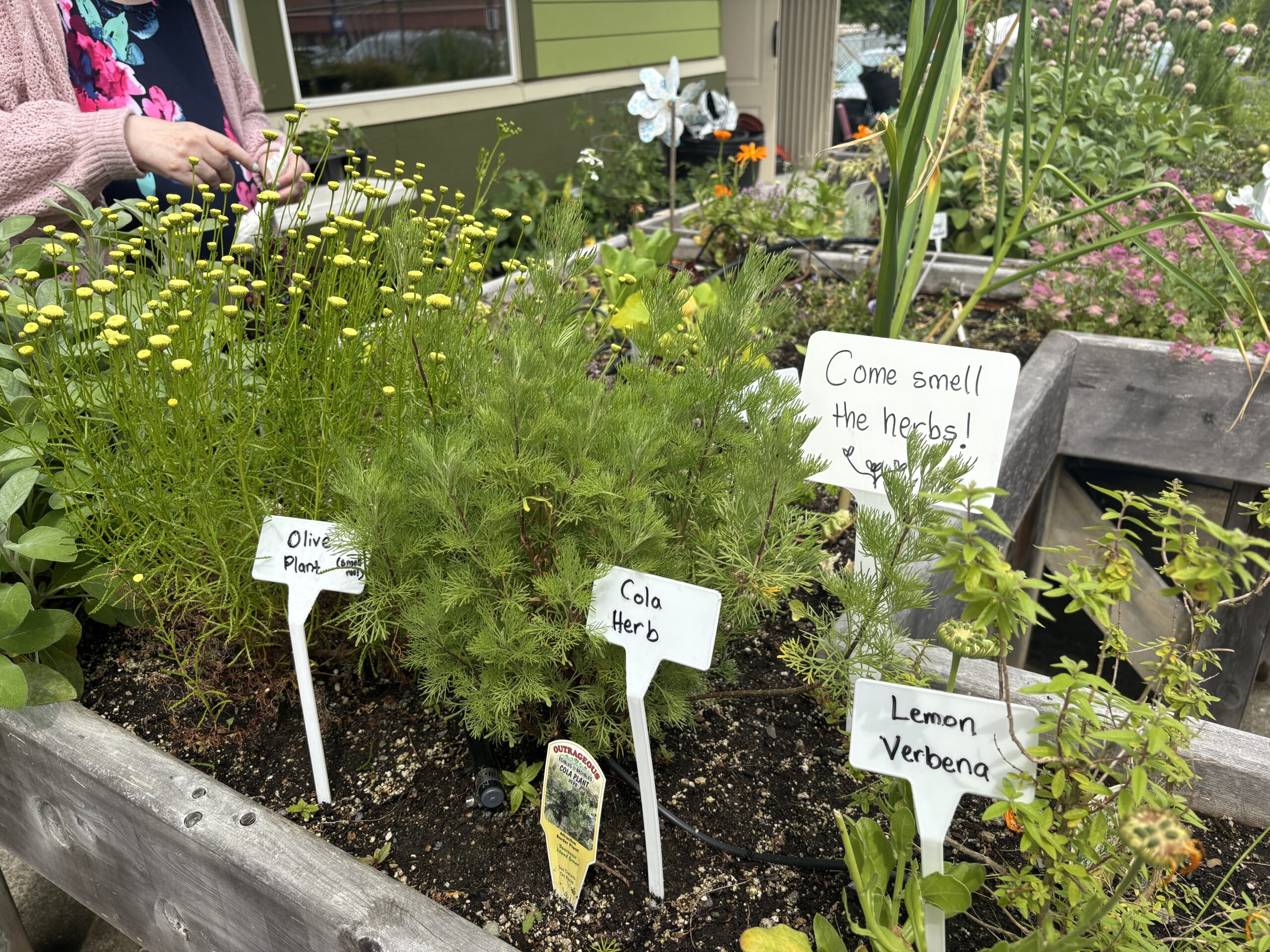
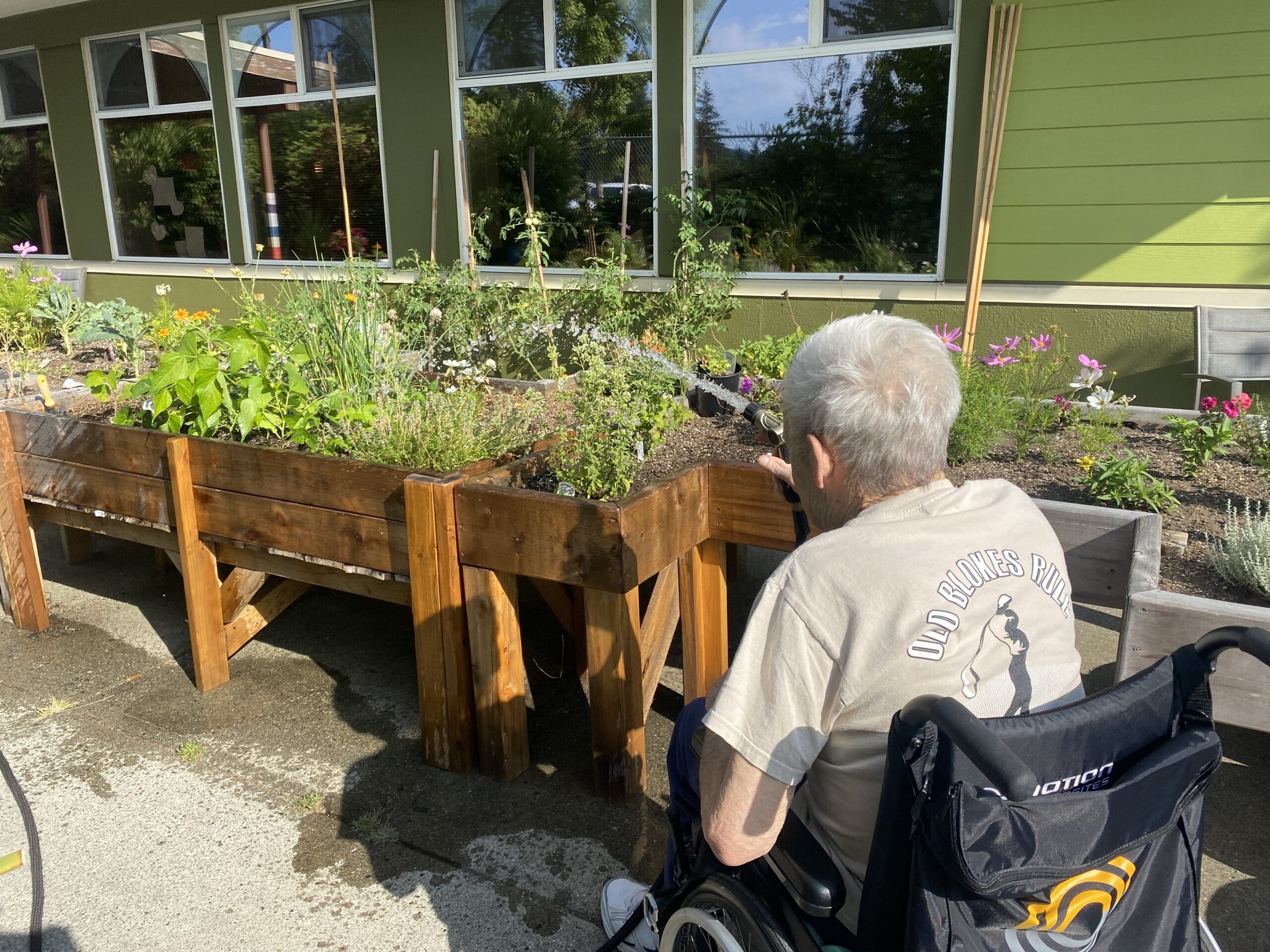
If you’ve ever felt calmer after spending time in a garden, noticed your mood lift while tending plants, or found comfort in nature during a difficult season of life, you’ve already experienced a glimpse of what makes horticultural therapy so powerful.
But horticultural therapy is much more than simply gardening. It is a professional, evidence-informed practice that intentionally uses plants, horticultural activities, and garden landscapes to support health, well-being, and personal growth.
Whether you’re a healthcare professional, student, gardener, or someone simply interested in the connection between nature and well-being, I hope this guide helps demystify the profession and highlights the many ways plants can become powerful therapeutic tools.
What Is Horticultural Therapy?
The Canadian Horticultural Therapy Association (CHTA) defines Horticultural Therapy (HT) as:
Horticultural Therapy (HT) is a formal practice that uses plants, horticultural activities, and garden landscapes/ecosystems to promote health and well-being for its participants.
Horticultural Therapy programs are facilitated by a trained Horticultural Therapy professional. HT is goal-oriented with defined outcomes and assessment procedures. HT goals, objectives, and assessments are specific, clinical, and in some part pre-determined through interviews prior to therapy taking place. And the practice of HT involves a broad range of services, settings, and populations with a focus on measurable outcomes and/or improvement of symptoms.
In simple terms, horticultural therapy combines the restorative power of plants and gardening with professional therapeutic practice. Rather than simply participating in gardening, individuals engage in purposeful plant-based experiences that are designed to support meaningful therapeutic goals.
What Does a Horticultural Therapist Do?
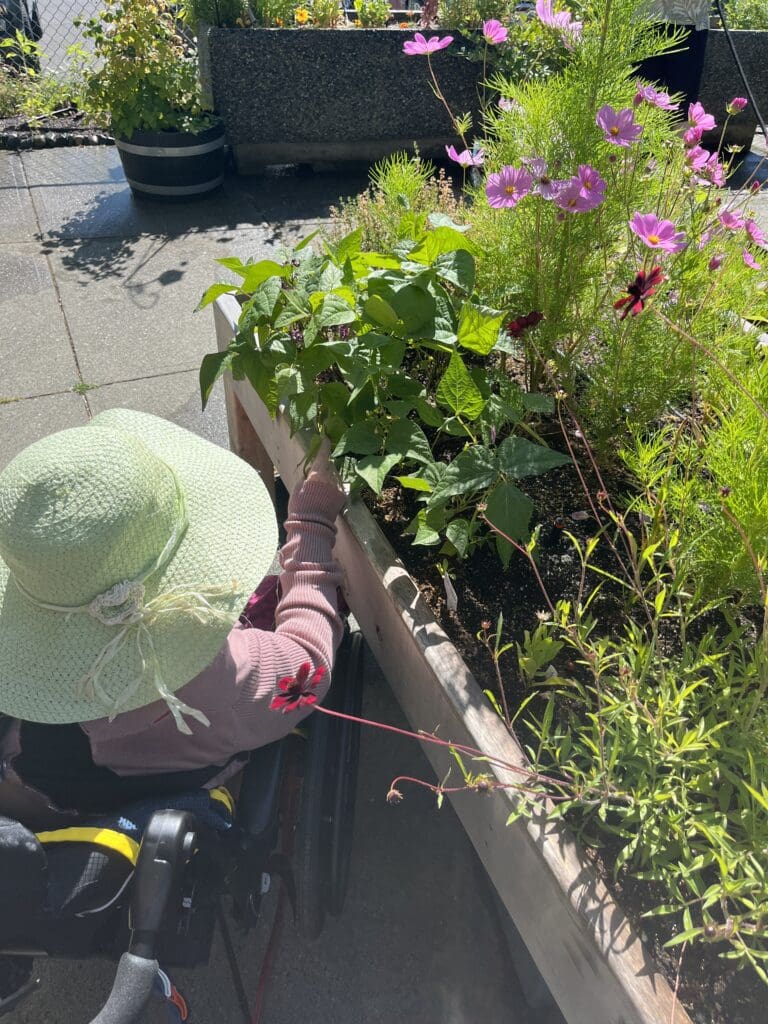
Well- this is a nuanced answer, as we all do the work with different population groups, in different settings, and with our own personal and professional background as an added layer. But at it’s core, we use plants and gardening activities as therapeutic tools to help individuals work toward meaningful goals. Depending on the individual or setting, those goals might include:
- Improving strength, balance, coordination, or fine motor skills
- Supporting memory and cognitive function
- Reducing stress, anxiety, or symptoms of depression
- Increasing confidence and independence
- Building social connection and communication
- Developing vocational or life skills
- Creating opportunities for purpose, identity, and personal growth
Every garden-based activity is thoughtfully adapted to meet the needs, interests, and abilities of the participants. And adapting or modifying activities is a whole different blog post! (Or maybe a whole course!)
Of course, the therapy session itself is only one small part of the profession in Canada. Behind every one-hour program is time spent assessing clients, designing interventions, sourcing plants and materials, documenting outcomes, collaborating with interdisciplinary teams, maintaining therapeutic gardens, supporting volunteers, and continually adapting programs to best support the people we serve.
If you’re curious about what this work really looks like, I invite you to read my companion article, “Behind the Scenes: A Week in the Life of an HTR,“ where I share a realistic look at the many hats horticultural therapists wear.
Where Is Horticultural Therapy Practiced?
One of the greatest strengths of horticultural therapy is its versatility.
Horticultural Therapists work in an incredibly diverse range of settings, including:
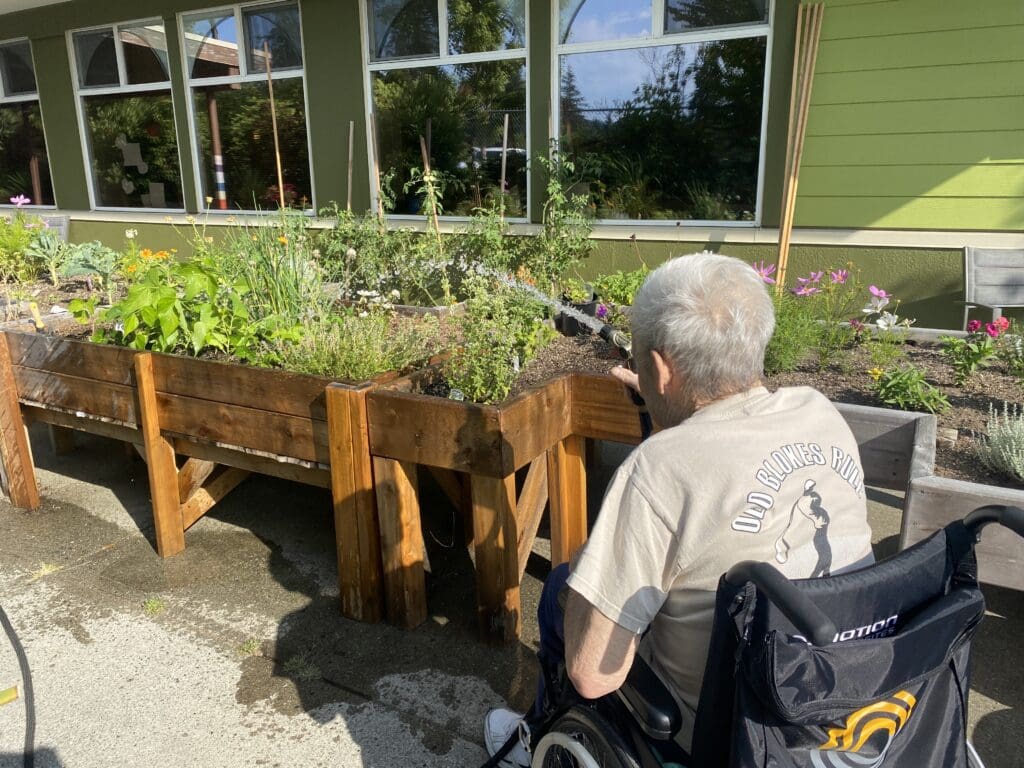
- Long-term care and assisted living
- Hospitals and rehabilitation centres
- Mental health programs
- Schools and post-secondary institutions
- Community organizations
- Correctional facilities
- Hospice and palliative care
- Vocational and employment programs
- Public and therapeutic gardens
- Private practice
No two horticultural therapy programs look exactly alike because every population has unique needs, goals, and abilities.
Although horticultural therapy can take many different forms, it is grounded in a growing body of research and theory. Concepts such as the Biophilia Hypothesis, Attention Restoration Theory, Stress Reduction Theory, and Person-Centred Care help explain why meaningful interactions with plants and nature can have such a profound impact on our health and well-being.
If you’d like to learn more about the science behind this work, you may enjoy my article “The Theories That Ground Horticultural Therapy—and Why They Matter.”
What Is Therapeutic Horticulture?
Closely connected to Horticultural Therapy is Therapeutic Horticulture (TH).
The Canadian Horticultural Therapy Association defines Therapeutic Horticulture as:
Therapeutic Horticulture (TH) is the purposeful use of plants and plant-related activities to promote health and wellness for an individual or group.
TH sessions are facilitated by a trained Horticultural Therapy professional. Therapeutic Horticulture is chosen based on a therapist’s assessment of the client’s needs and/or the setting. TH practice goes beyond offering a gardening program and involves guiding a client’s therapeutic relationship with nature and plants. And TH involves a broad range of services, settings, and populations and may be more suitable when non-medical assessments are preferred and/or the setting is not appropriate for clinical interventions.
Unlike formal horticultural therapy, Therapeutic Horticulture uses broader, wellness-focused goals.
Goals, objectives, and assessments are generally:
- General rather than clinical
- Flexible and responsive
- Sometimes self-directed by participants
- Not necessarily formally documented
- Able to evolve throughout the session
Two Complementary Approaches Within Professional Practice
One of the most common points of confusion I encounter when teaching about horticultural therapy is the relationship between Horticultural Therapy (HT) and Therapeutic Horticulture (TH).
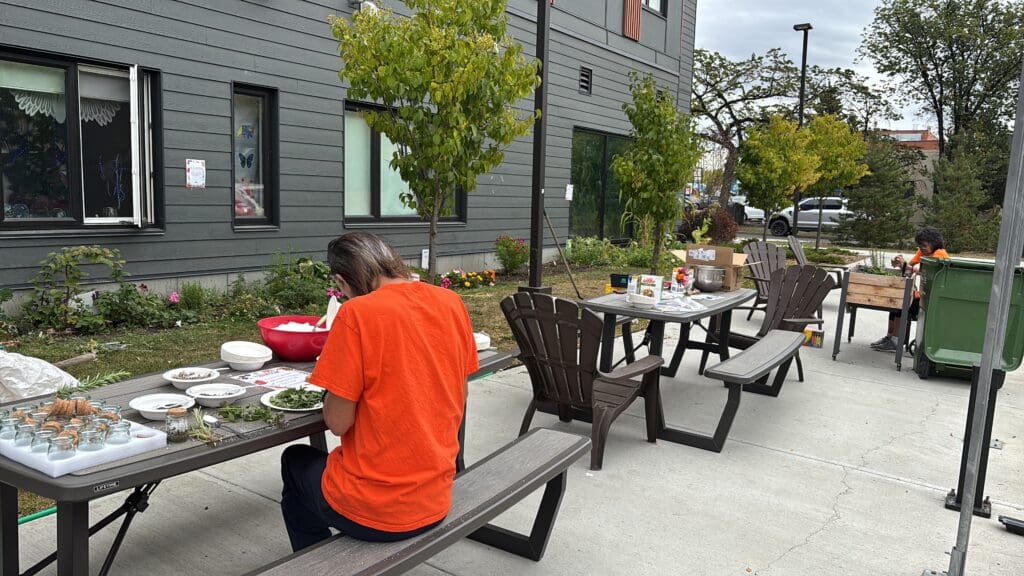
These terms are sometimes presented as though they represent two separate streams of practice, or as though Therapeutic Horticulture is somehow a “less clinical” or “less skilled” version of Horticultural Therapy.
However, in my belief, a trained Horticultural Therapist doesn’t choose one approach and leave the other behind. Instead, they use professional judgement to determine which approach is best suited to the individual, the group, the setting, and sometimes even the particular day.
And importantly, one does not require less professional knowledge or training than the other.
Both approaches are intentional. Both require clinical reasoning, therapeutic presence, and an understanding of how humans interact with plants and nature.
This is something I feel particularly passionate about because I believe these approaches are best understood as complementary modalities within the same profession, not separate streams that practitioners choose between.
Knowing when and how to move between these approaches is one of the hallmarks of professional horticultural therapy practice.
Knowing when and how to move between these approaches [of Horticultural Therapy and Therapeutic Horticulture] is one of the hallmarks of professional horticultural therapy practice.
Why This Distinction Matters
Understanding the difference between Horticultural Therapy and Therapeutic Horticulture helps healthcare organizations, community agencies, educators, and clients choose the most appropriate services for their needs.
A rehabilitation hospital may benefit from structured horticultural therapy interventions that align with interdisciplinary treatment goals. A seniors’ home may choose drop-in Therapeutic Horticulture programming that fosters connection, purpose, and joy. A school may use plant-based activities to build confidence and emotional regulation. A community garden may provide opportunities for inclusion, belonging, and wellness.
Different settings call for different approaches, but all recognize the remarkable therapeutic value of connecting people with plants and nature.
The Importance of Professional Community
One of the greatest influences on my own professional growth has been becoming involved with the Canadian Horticultural Therapy Association (CHTA), Canada’s national professional association for horticultural therapy.
Being a member has connected me with an inspiring community of practitioners from across the country who are passionate about advancing the profession and supporting one another.
Serving on the CHTA Board of Directors has been an even greater privilege. Through my past work on the Education Committee and in my current role as Volunteer Coordinator, I’ve had opportunities to contribute to projects that strengthen professional standards, support new practitioners, and increase awareness of horticultural therapy across Canada. It’s not necessary easy, we are a young profession with a looong way to grow, but I am glad to be a part of that growth.
The CHTA has not only shaped my own practice but has also reinforced something I deeply believe: horticultural therapy is a profession built on generosity, lifelong learning, collaboration, and a shared commitment to improving people’s lives through plants and nature.
If you’re considering becoming a Horticultural Therapist, looking for professional resources, or wanting to learn more about the field, I highly encourage exploring the CHTA and the incredible work they continue to do for our profession.
Final Thoughts
At its heart, horticultural therapy is about far more than growing plants.
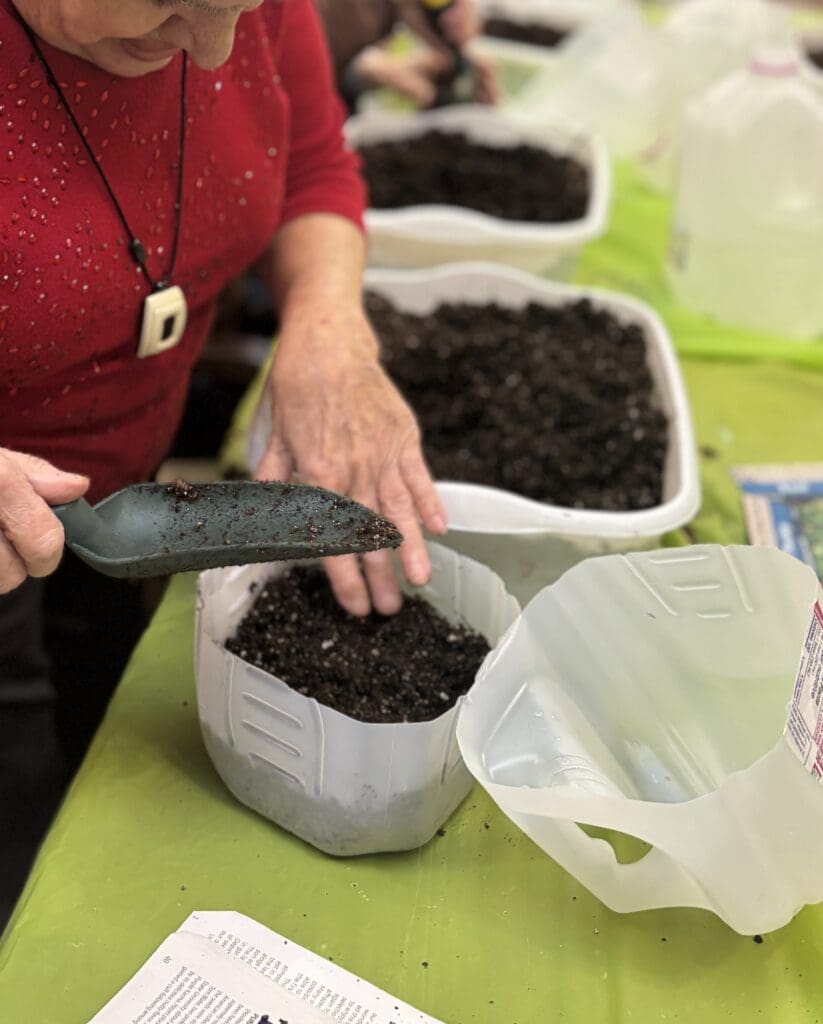
Whether through formal therapeutic interventions or flexible wellness-focused experiences, horticultural therapists intentionally harness the relationship between people and nature to support healing, resilience, independence, connection, and quality of life.
As our understanding of the health benefits of gardening and nature continues to expand, so too does the opportunity to bring meaningful, evidence-informed horticultural programming into healthcare, education, community organizations, and everyday life.
Thank you for taking the time to learn a little more about this profession that I care so deeply about. Whether you’ve arrived here out of curiosity, professional interest, or because you’re considering a career in horticultural therapy, I hope this guide has helped you better understand not only what horticultural therapy is, but why it matters.
And if there’s one thing I’d like you to take away, it’s this: plants may be the medium, but people are always at the heart of the work.