My horticultural interests (even before I found HT) have always pulled me toward herbs more than any other plant group. There’s something about their immediacy, their generosity, and their sensory richness that keeps me coming back. If I’m planning a new program or walking through a garden deciding what to bring into a session, herbs are often what I reach for.
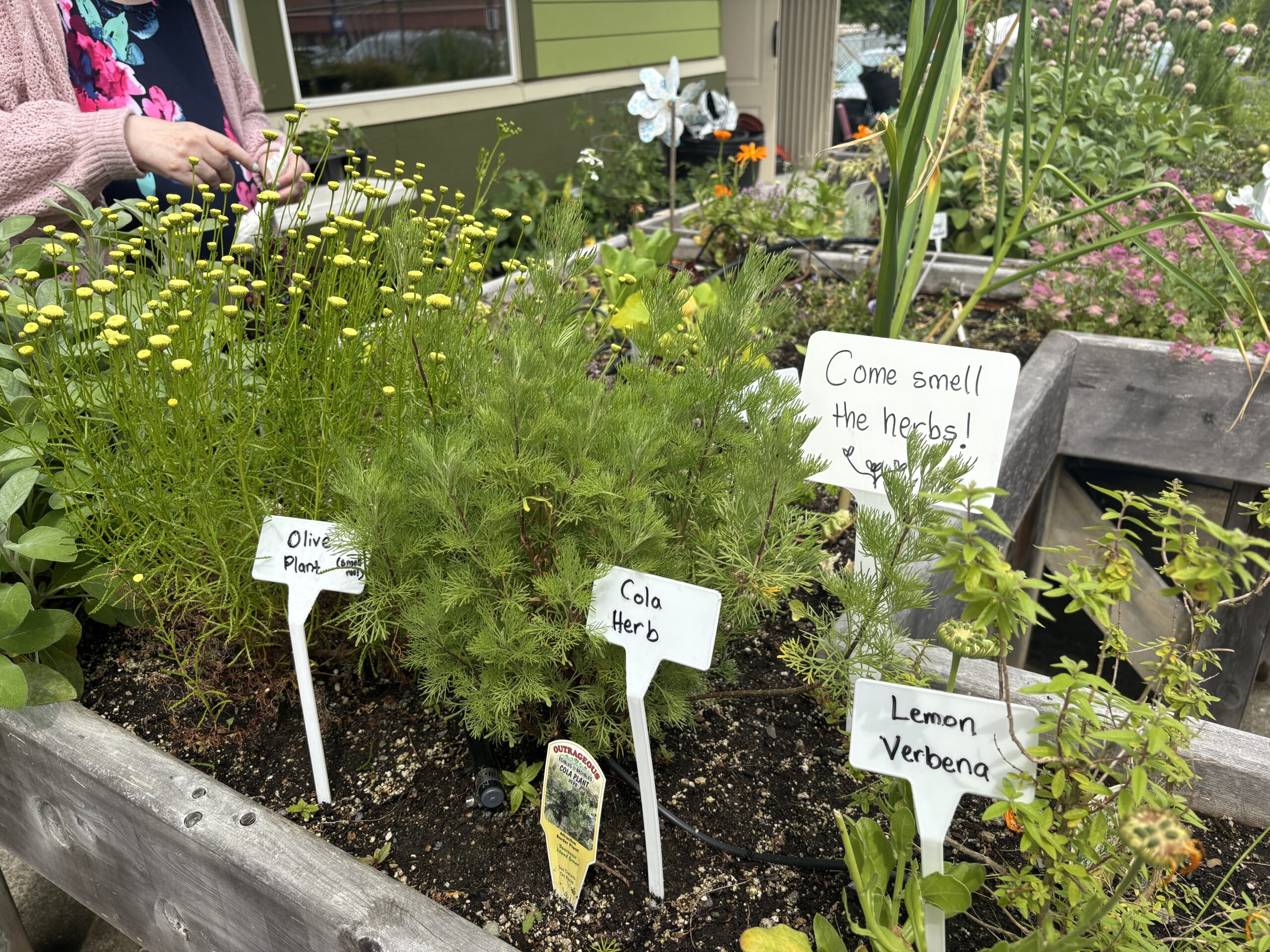
The herbs I grab most often for therapy groups are lemon verbena, cola herb or olive herb (such a fun conversation starter), sage (the large, soft leaves are ideal for a lot of my clients), and mint in all its forms. While I grow many more herb varieties throughout the season, these are the ones I find myself cutting over and over again- and making sure I plant in excess for those off-season or indoor programs!
Interestingly, for all the reasons I love lavender, and I do love it, I’ve learned to use it more cautiously. Over the years, I’ve had multiple individuals mention that the scent reminds them of the palliative care process. For some, it carries a heavy association with loss or end-of-life care, and in healthcare settings especially, that can be a trigger rather than a comfort. It’s a good reminder that even our most beloved plants can hold mixed meanings for others.
Keeping a Herb Supply on Hand
Before I dive into five ways I use herbs in programming, I want to talk about accessibility. It’s worth finding a way to keep a herb supply on hand, and for me, that looks different at different sites.
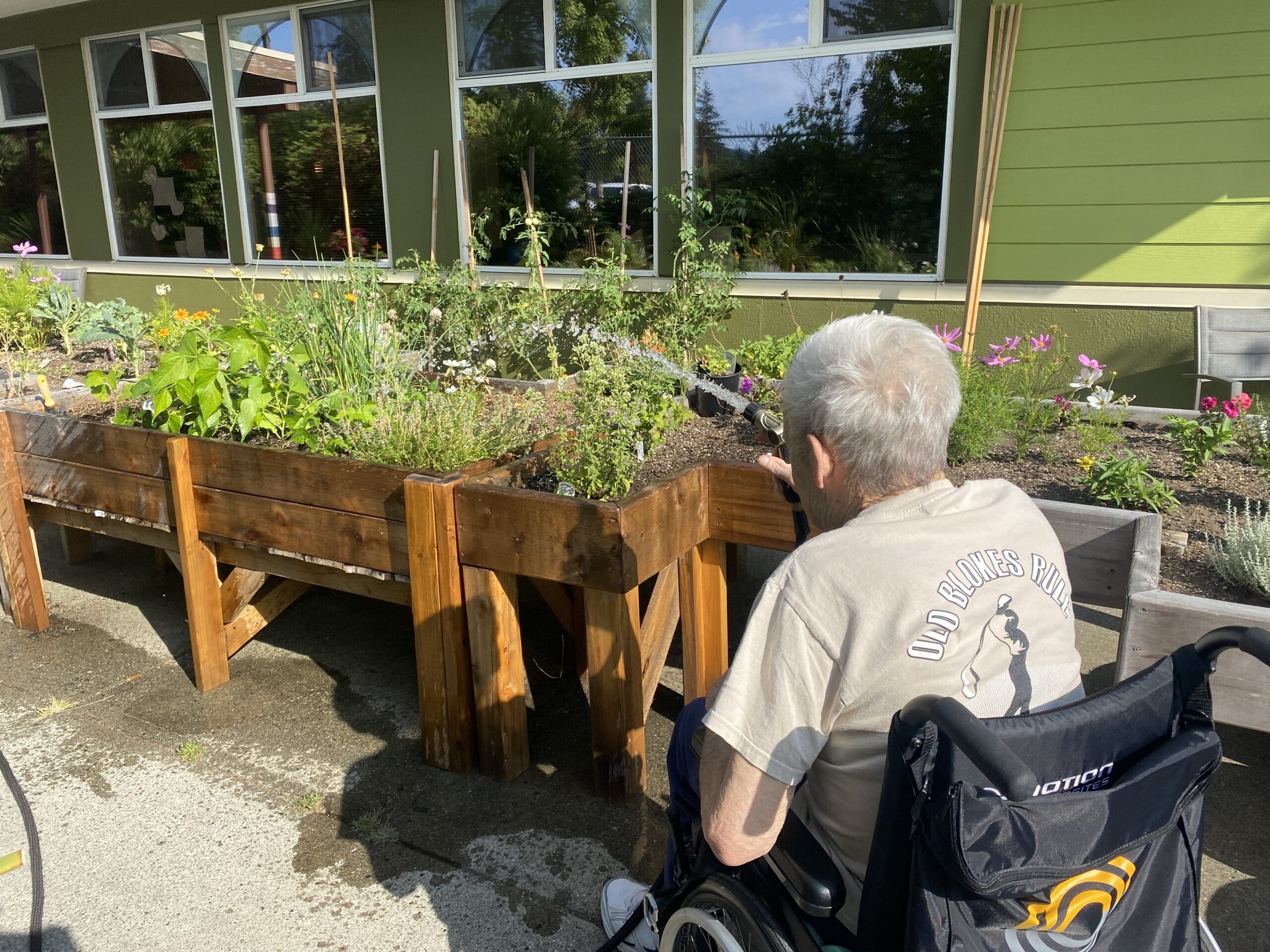
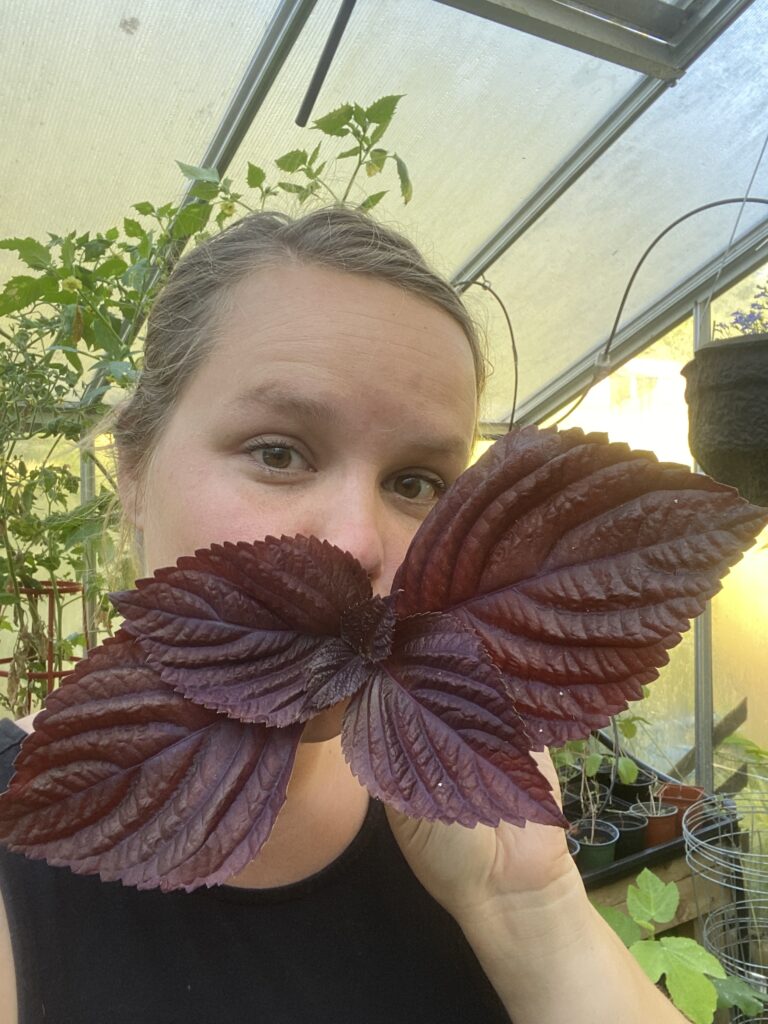
Take comfort in this: I don’t have a big garden or a greenhouse. I’m actually a renter! So I have to use the spaces where I work to grow what I need. I tend to plant a lot of perennial herbs in any garden I’m working in no matter what- for their perennial presence, their summer sensory value, and those fall and winter harvests when fresh growth is scarce. I grow as many mint varieties as I can manage in large pots (pineapple mint! chocolate mint! orange mint!). Sage, tarragon, thyme, parsley, and rosemary are year-round offerings for me here in BC, and I tuck these into both raised beds, but also pollinator gardens for extra supply. I go hard on basil, cola herb, shiso, lemon verbena, and more in the summer months to have an ample supply when the weather allows. And- I even have a mental map of places and neighbors where there may be a wild rosemary bush (or mint patch) to come back to! I bet some of you do too!
If you’re in a colder climate, it’s worth asking: can you build a cold frame for year-round herb access? Or can you invest in a small hydroponic setup for herbs? Even a sunny windowsill with a few pots can make a difference. The goal is having reliable access to sensory plants that you can bring into your sessions when the moment calls for it.
Five Ways to Use Herbs in HT
Over the years, I’ve found that herbs tend to spark something in people. Maybe it’s the memories they evoke, or the immediate sensory feedback they provide. Whatever it is, they’re incredibly valuable tools in HT and nature-based programming.
Here are five ways I’ve used herbs in my practice, along with some considerations for making them work in yours.
1. Sensory Stimulation & Engagement
This is probably the most obvious application, but it’s worth digging into. Herbs engage multiple senses at once, touch, smell, sight, and sometimes taste, which makes them powerful tools for clients who benefit from sensory integration or grounding. The ways I use herbs for a session vary- from herb harvesting & drying, to cooking recipes, to a simple ‘ice breaker’ of sorts.
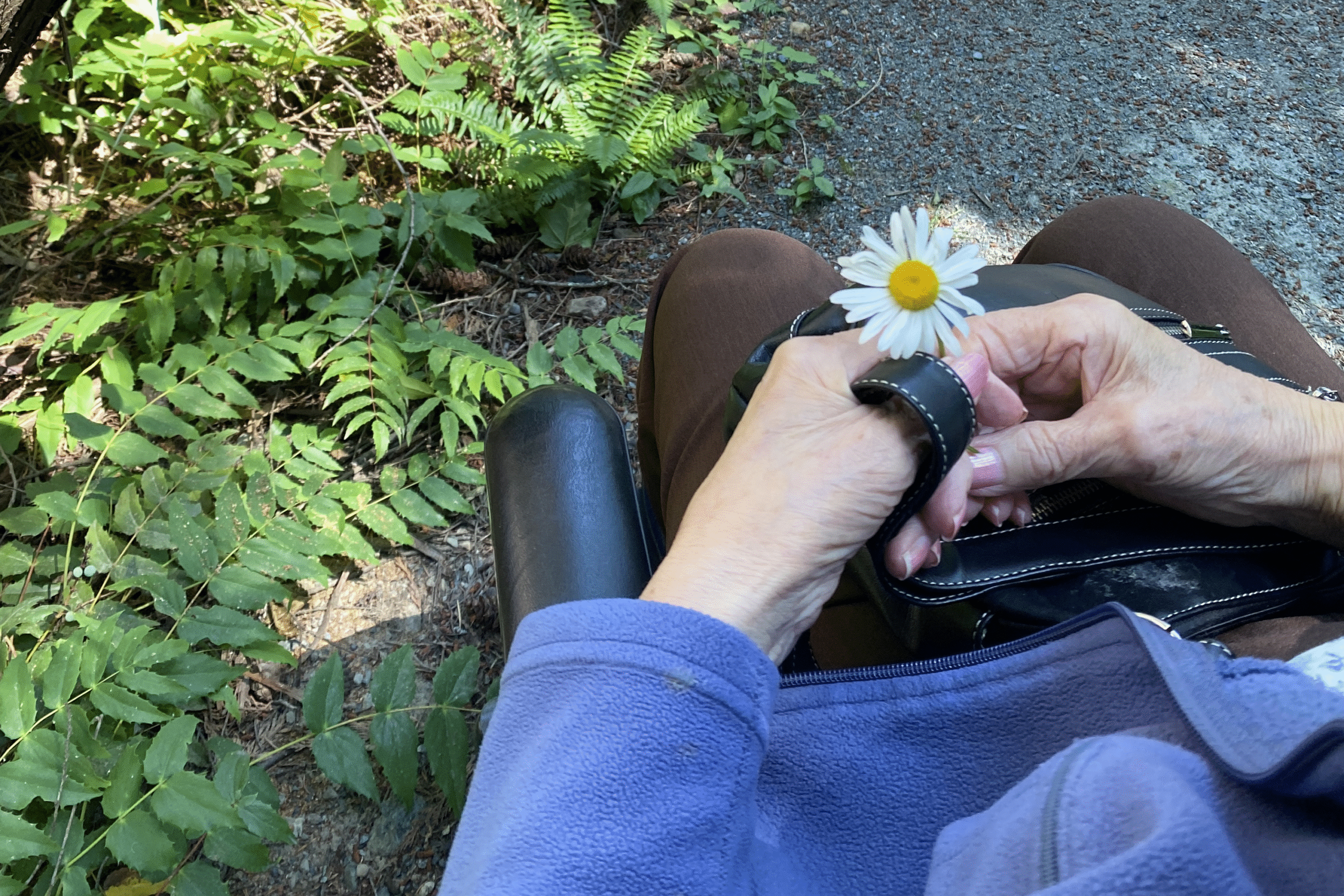
I often use fresh herbs like mint, lemon verbena, sage, and cola herb in sessions. Crushing a leaf between your fingers releases essential oils instantly, creating an immediate sensory experience. For clients who are withdrawn, anxious, or disengaged, this can be a gentle way to bring them into the present moment.
With older adults experiencing dementia, I’ve seen scent-based activities with herbs unlock memories and conversations that seemed out of reach. A sprig of mint might remind someone of their grandmother’s kitchen. A touch of sage might bring back a summer garden from decades ago.
A few practical tips: Have a variety of herbs on hand so people can choose what appeals to them. Not everyone likes strong scents, and that’s okay. Always check for allergies or sensitivities, and be mindful of clients who have scent aversions or sensory processing challenges. And remember, some scents, like lavender, can carry unexpected associations. It’s always worth asking.
2. Fine Motor Skill Development
Working with herbs offers plenty of opportunities to address fine motor goals in a way that feels purposeful and enjoyable. Pinching small leaves, trimming with scissors or pruners, and potting or repotting herbs all require a measurable task of coordination and dexterity.
For clients recovering from stroke, managing arthritis, or working on hand strength, these tasks can be adapted to meet them where they’re at. Larger-leafed herbs like basil and sage are easier to handle, while smaller herbs like thyme or oregano provide more challenge.
I’ve also used herb-focused activities like making herbal sachets, bundling herbs for drying, or creating herb butter. These activities layer in cognitive components such as following steps, measuring, and decision-making, while keeping the focus on something rewarding.
3. Building Routine and Responsibility
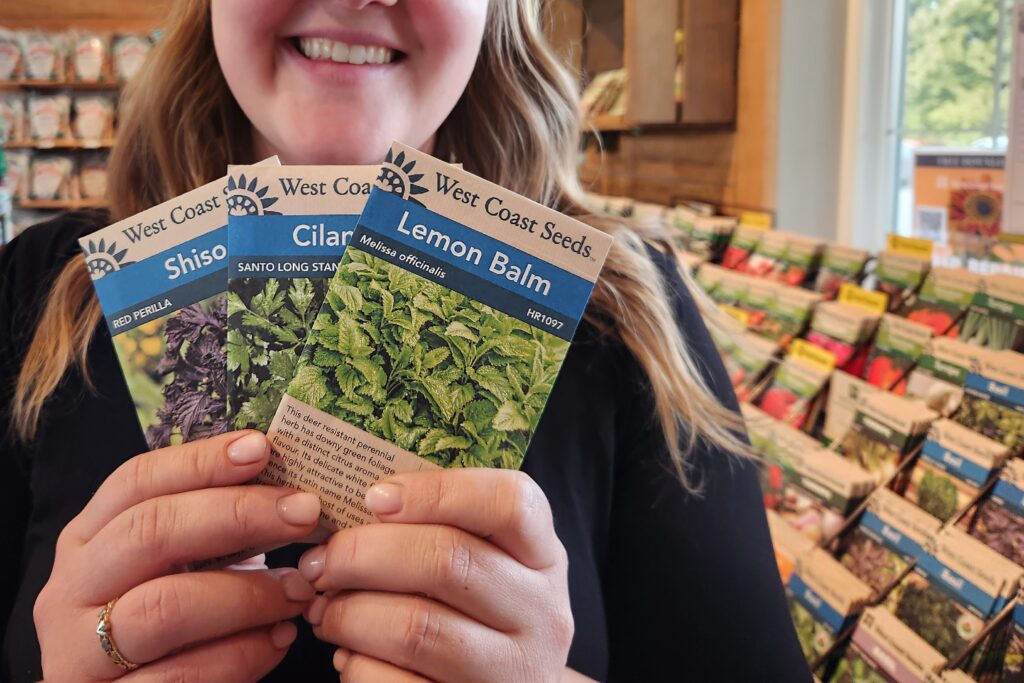
Growing herbs is incredibly satisfying because they tend to grow quickly and respond well to care. This makes them ideal for building routine and fostering a sense of responsibility, especially for clients working on consistency or confidence.
I’ve worked with youth and adults who benefit from having “their” plant to care for. A small pot of mint or basil can become a weekly check-in point. Did it need water? Does it look healthy? What does it need from you this week?
Even in short-term programming, clients can see visible growth and change, which reinforces their role in the process. It’s a small but meaningful way to build self-efficacy.
4. Culinary Connection and Purpose
One of the things I love most about herbs is that they lead somewhere. You’re not just growing a plant, you’re growing something you can use. This sense of purpose resonates with a lot of clients, especially those who have a connection to cooking or food preparation.
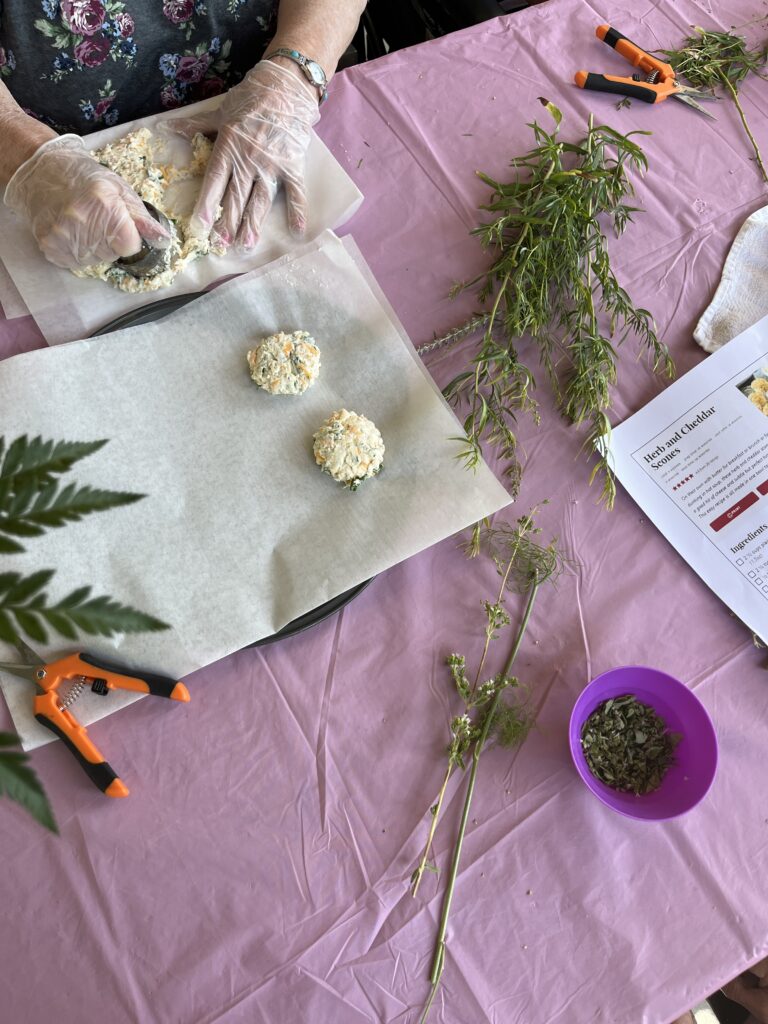
In my programming, I’ve used herbs to create pesto, herbal teas, infused oils, and seasoning blends. These activities combine horticultural tasks with culinary skills, and they offer natural opportunities for social connection, reminiscence, and pride.
For clients in recovery programs, cooking with herbs they’ve grown themselves can be empowering. For older adults, it connects them to skills and traditions they’ve carried for years. And for folks who are isolated or struggling with motivation, creating something they can share with others can be deeply affirming.
A note on safety: Always verify dietary restrictions, medication interactions (especially with certain herbs like St. John’s Wort), and food handling guidelines in your setting before incorporating edible activities.
5. Connection to Culture and Identity
Herbs are deeply tied to culture, tradition, and personal history. For many clients, working with herbs is a way to connect with their heritage and their sense of self.
I’ve facilitated sessions where clients have shared recipes, growing traditions, and stories connected to the herbs we’re working with. Really cool stories have come up around cilantro, dill, oregano, mint, even the ones we haven’t learned about yet & a client could teach us about (holy basil, sisho, mitsuba), When you create space for those stories, the therapeutic work goes much deeper.
This is especially important when working with diverse populations or clients who are experiencing displacement, grief, or loss of identity. Growing an herb that reminds someone of home, or recreating a family recipe, can be profoundly healing.
A Final Thought
Herbs are accessible and full of therapeutic potential. They don’t require a lot of space, they’re relatively low-maintenance, and they offer immediate, tangible results. Whether you’re addressing sensory goals, motor skills, emotional regulation, or social connection, there’s probably a way to incorporate herbs into your programming.
That said, like any tool in HT, herbs are most effective when they’re used intentionally. Think about your clients’ goals, their interests, and the context of your program. Let the plant support the process, but don’t forget that the real work is happening in the relationship, the reflection, and the meaning that unfolds along the way.
If you’re looking to expand your use of herbs in your HT practice, I’d encourage you to consider where and how you can grow more- starting now, in January!
Looking for more programming ideas? Check out my Seeds of Inspiration resource in my website shop. This resource is a collection of ready-to-use activities, herb-based programs included, to support your HT or nature-based sessions. And if you want a quick activity to use with herbs right now, click here for a free, simple herb trivia that you can use in your next session!