Before I dive in: a caveat! Each Horticultural Therapist practices in their own wonderfully unique way, and I’d love to hear what a “week in the life” looks like for others. I know HTRs who work full-time at one site, others who blend horticultural therapy with complementary passions (like art, counselling, or garden design), and others who offer workshops or programs within a broader horticultural role.
For me, my weeks have taken many shapes over the years. Right now, I work across four different sites, each for a full 6–7.5 hour workday. Personally, I like to sign on to contracts that give me a whole day with each community, rather than short workshops, but that’s just my style. Everyone finds their own rhythm in this field.
Monday – Qualicum Manor
Mondays are my longest drive, so I build gas costs into my rate, a practical detail that’s worth considering when you’re working across a wide region.
At Qualicum Manor, my day flows through three distinct groups: a morning group supporting residents living with late-stage dementia, a one-to-one therapy session, and an afternoon group with folks who have higher cognitive capacity.
Tuesday – Kiwanis Lodge
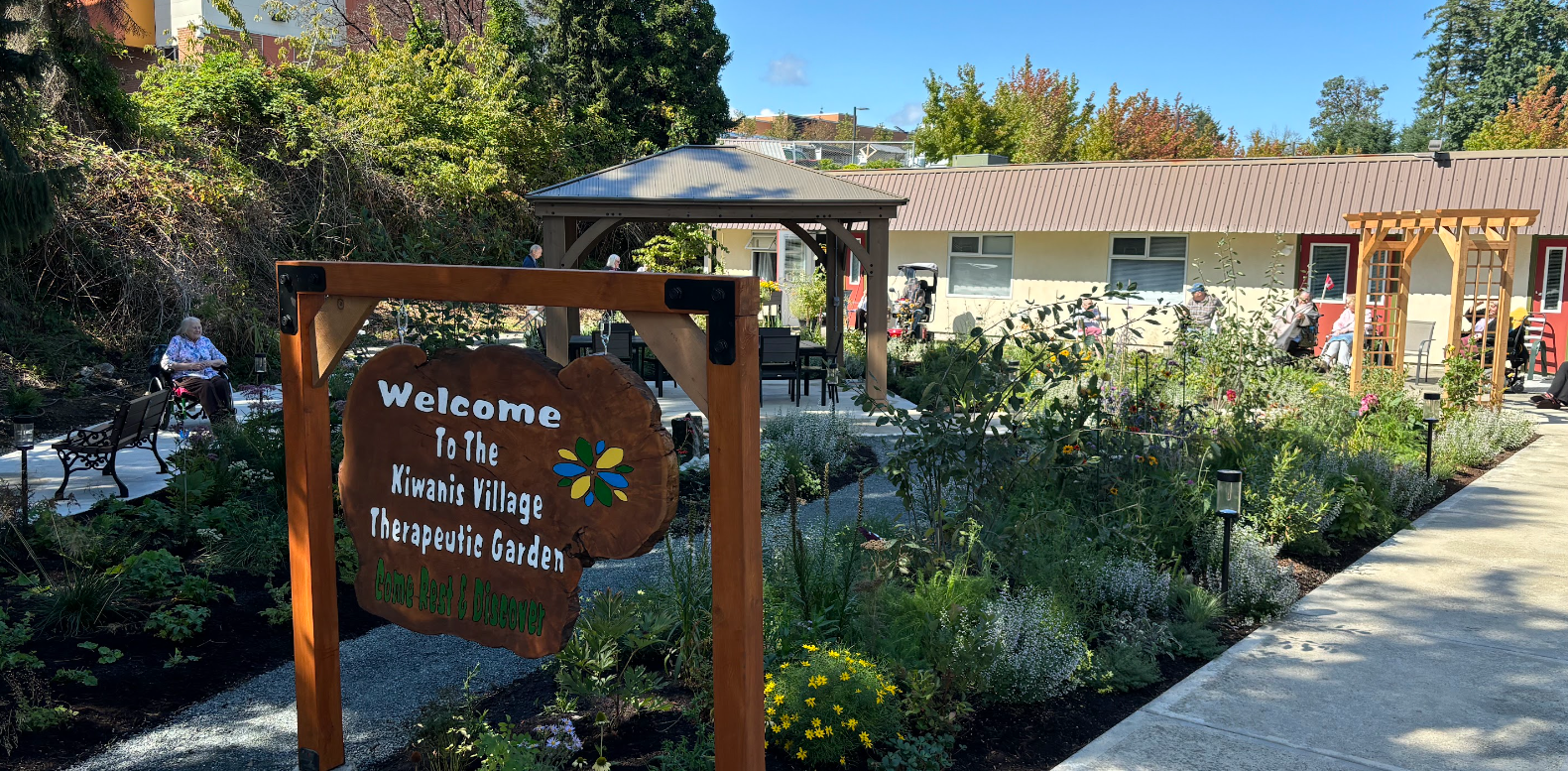
Tuesdays, I’m at Kiwanis Lodge, working closely with their recreation team. My days here are a mix of group and one-to-one sessions. I also have time carved out for garden projects- planning, fundraising, recruiting volunteers, building, and maintaining therapeutic or mixed-use gardens.
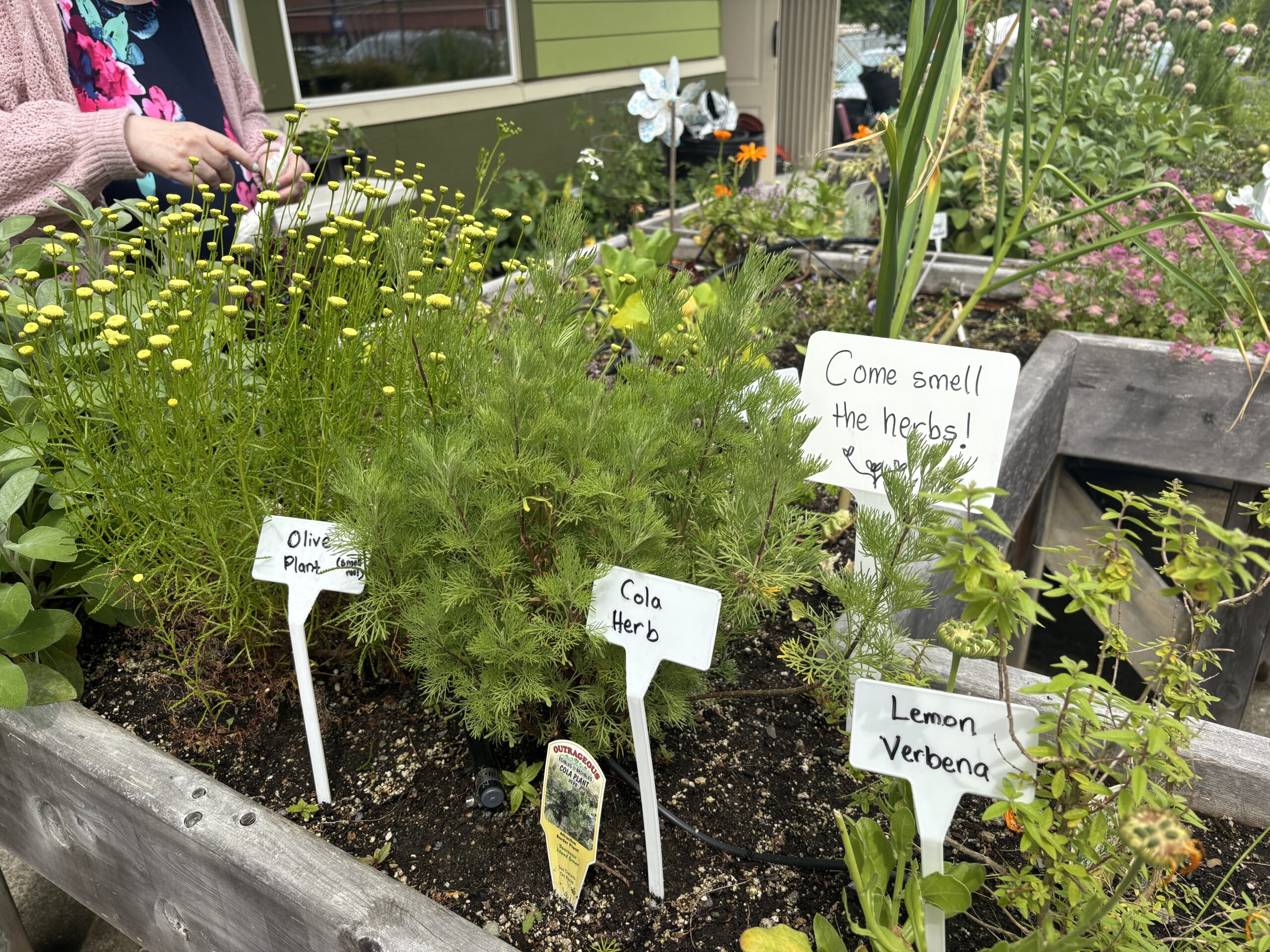
Our most recent collaboration was a raised-bed garden for low-income seniors’ housing on the Kiwanis Campus- featuring beautiful 32″ Sproutbox beds (link here!) that make gardening accessible and dignified.
HT is never a solo act, it’s always about collaboration. The creativity that comes from blending ideas with other professionals keeps the work effective, and fuels me.
Wednesday – Evanmorr Acres (Seasonal)
Wednesdays change with the season. In the warmer months, I facilitate horticultural and recreational therapy programs at Evanmorr Acres, a beautiful working farm. Through the winter, I shift gears and focus on design work. Right now, I’m helping plan a therapeutic garden for a new long-term care home and hosting a few workshops for community groups.
Thursday – Arrowsmith Lodge
Thursdays are split between two communities at Arrowsmith Lodge: a morning group in long-term care, and an afternoon program for independent living residents.
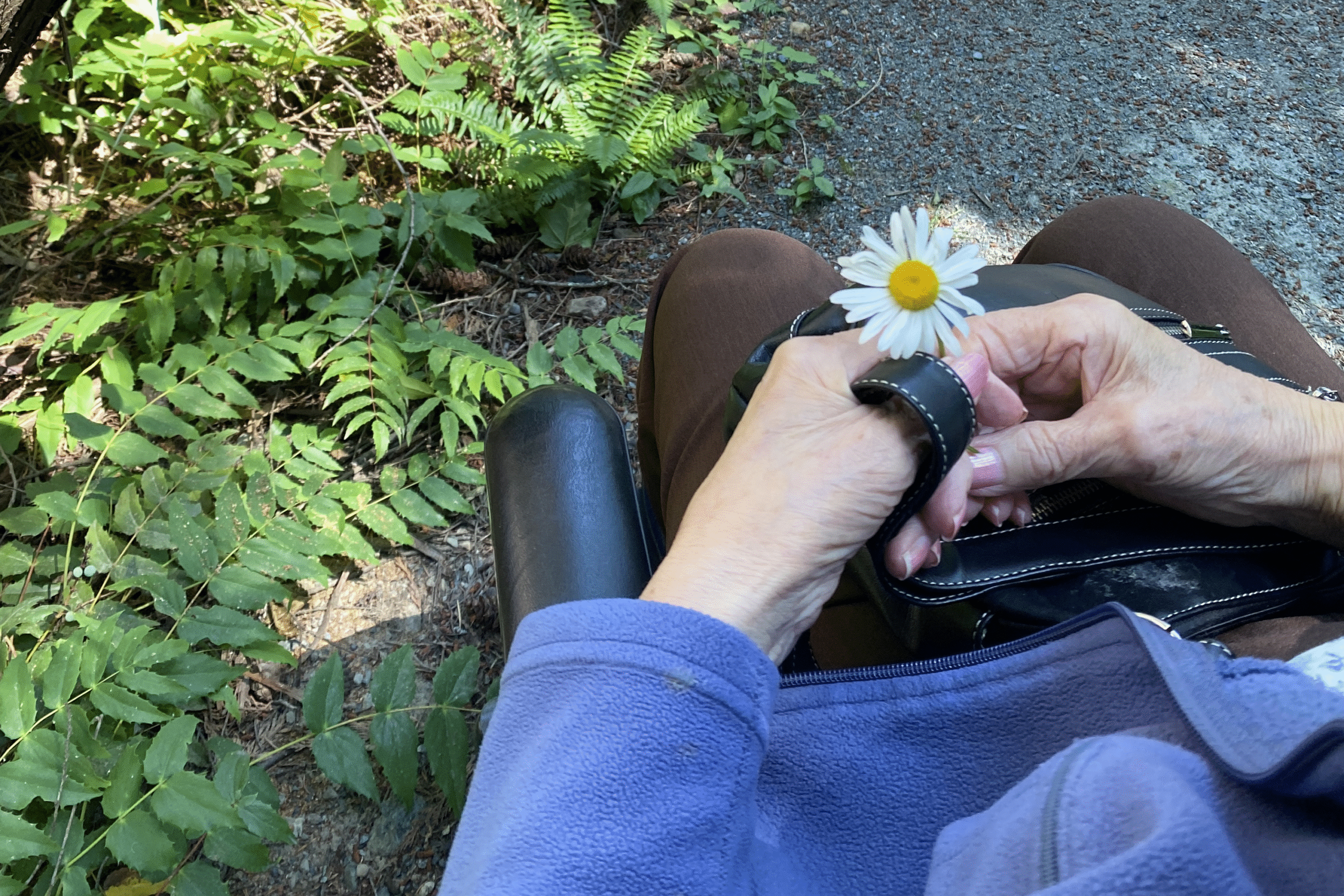
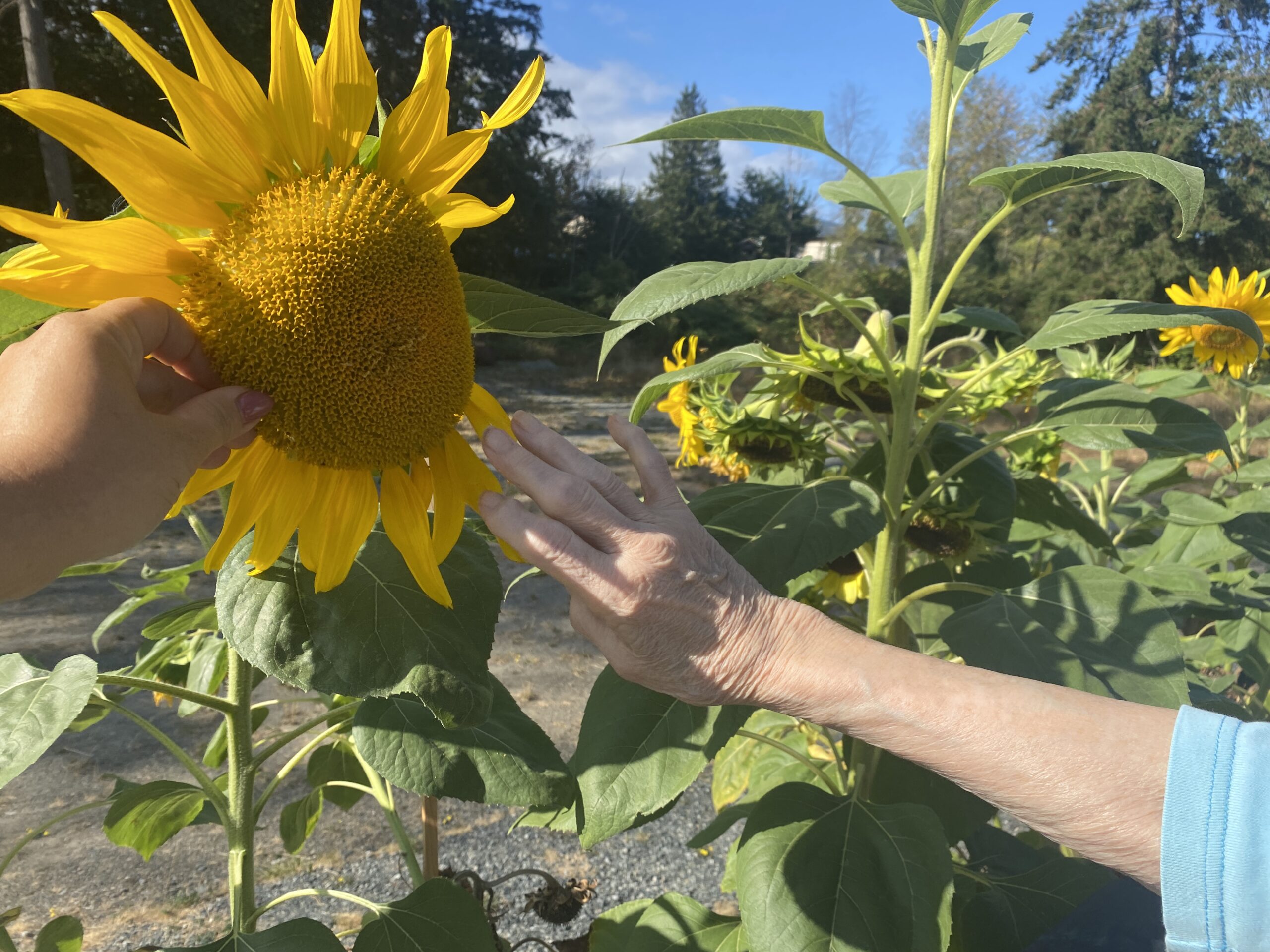
The shift in pace keeps things dynamic. One moment I might be supporting sensory engagement and gentle movement for residents with dementia; the next, I’m helping a group of independent residents plan spring seed trays or talk about their favourite garden memories.
Friday – Back to Kiwanis Lodge
Fridays bring me back to Kiwanis Lodge; therapy groups, one to ones, and often a few “carry-over” projects from Tuesday. There’s a lovely continuity in closing the week where it began.
Between it all…

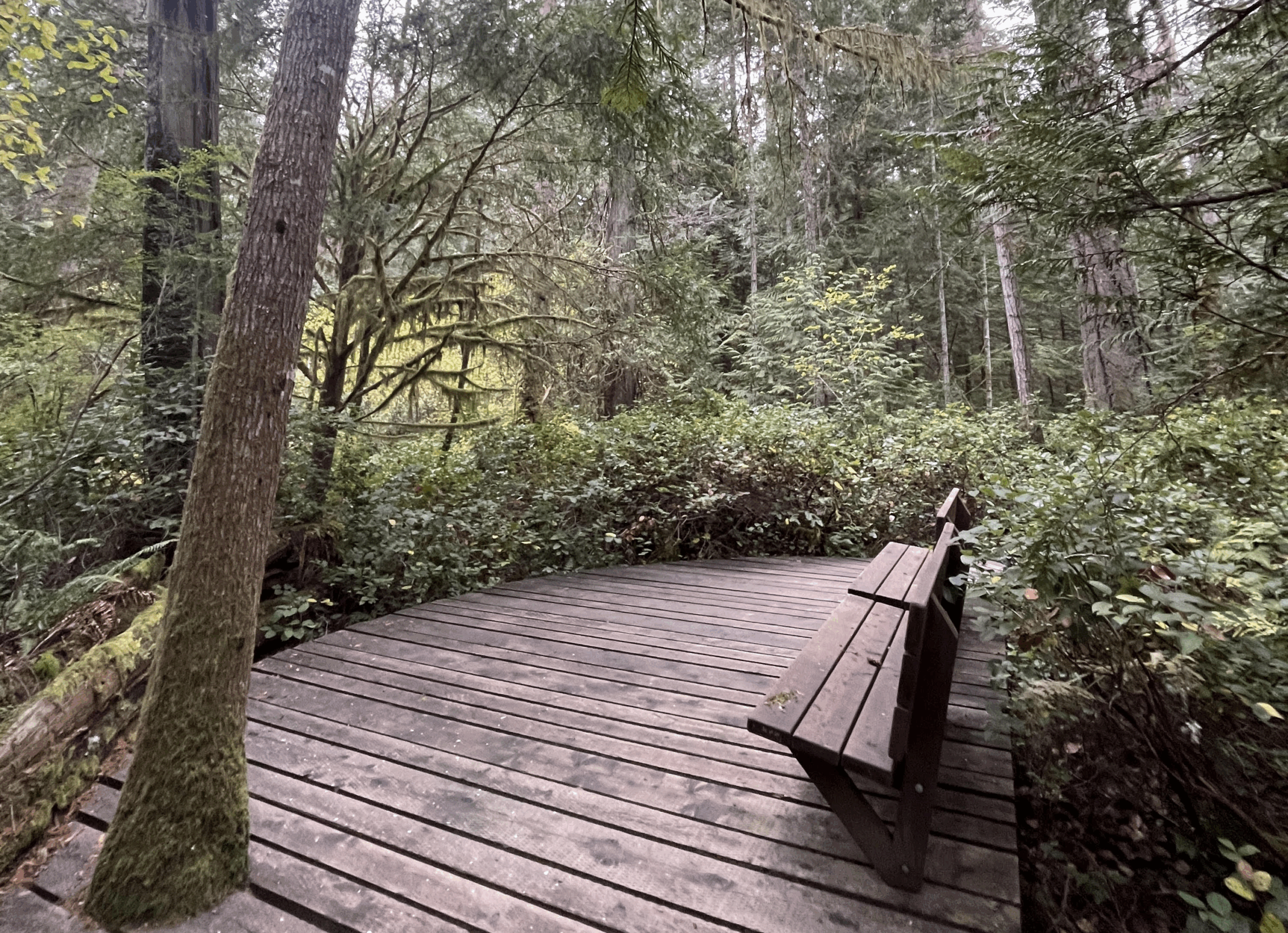
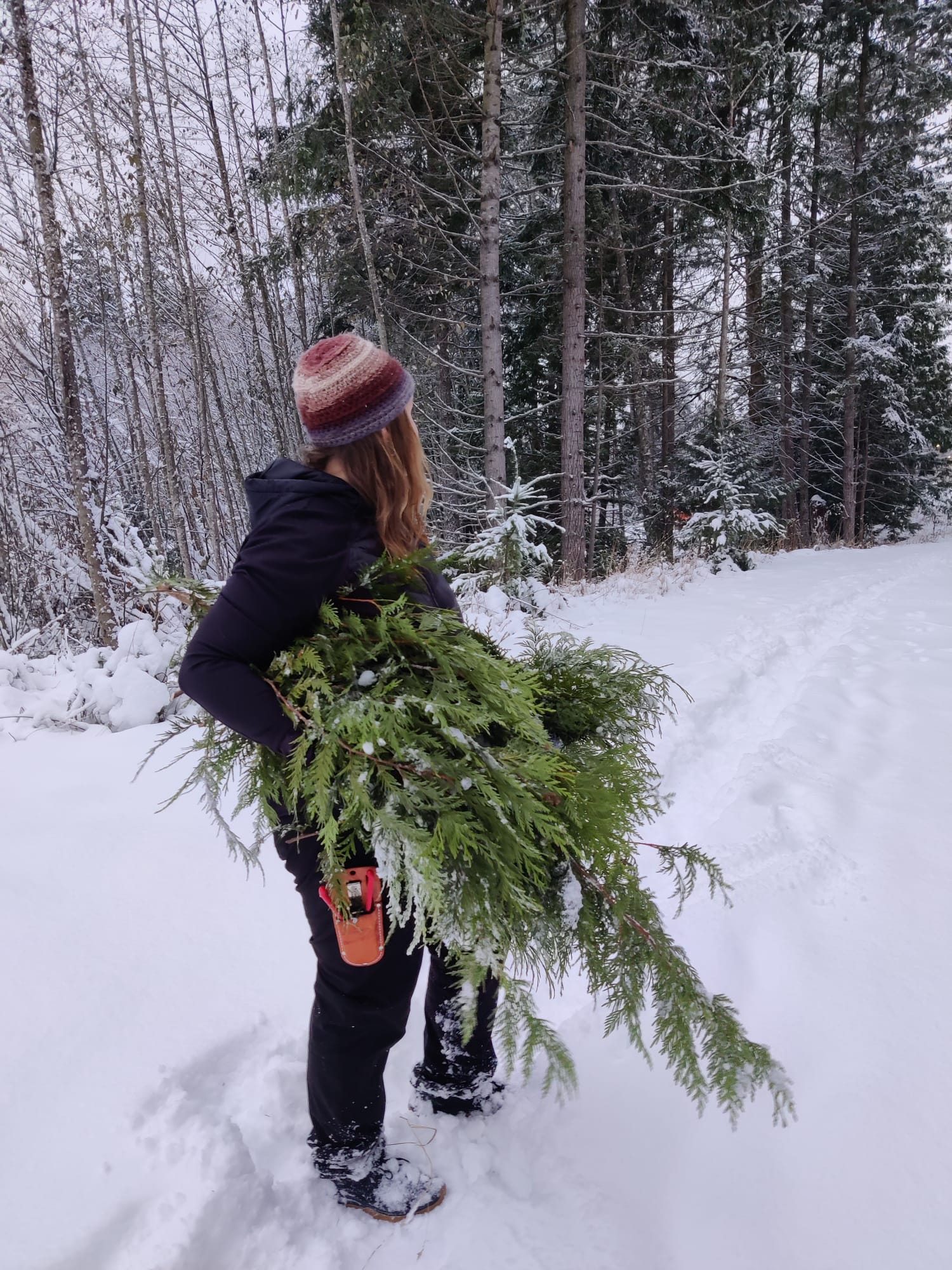
Between sites, my weeks are filled with all the in-between things that keep an HTR’s practice thriving: CHTA board volunteering, meetings to plan workshops and educational sessions, foraging for natural materials, and the occasional (necessary!) wander through the woods to refill my cup.
By midweek, my car smells like fir needles, damp soil, and coffee, a sure sign it’s been a good HT week.
It’s a full plate, but one that’s incredibly fulfilling..
Whether your practice happens in one steady garden or across four unique sites, I’d love to hear what your week looks like. There’s no single “right” way to do this work, that’s what makes our field so alive and ever-growing.
And if you ever need a spark of inspiration for your own sessions, check out the Seeds of Inspiration: Program Inspiration List in my shop, full of adaptable, seasonal ideas for HT and nature-based programming.