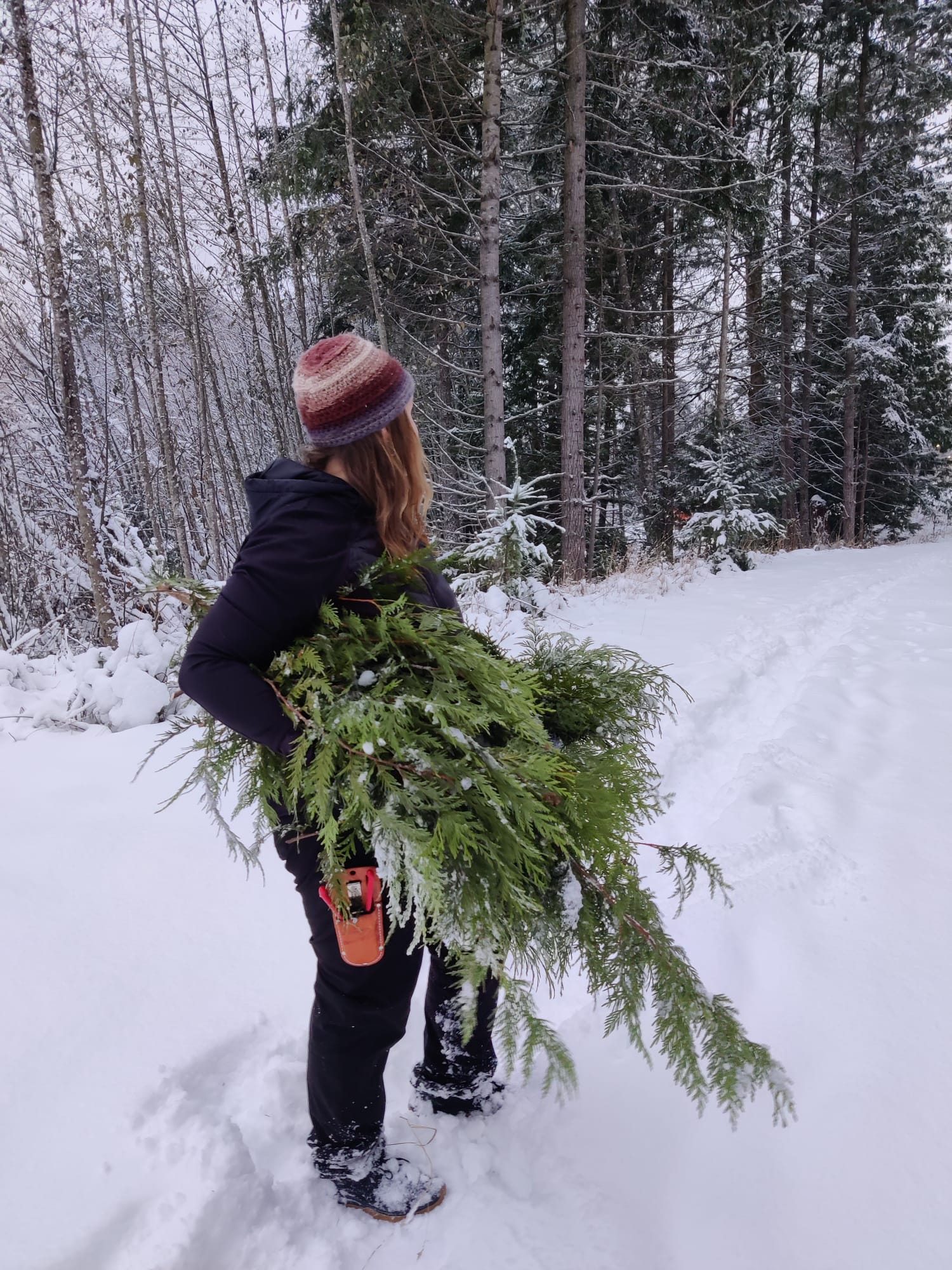
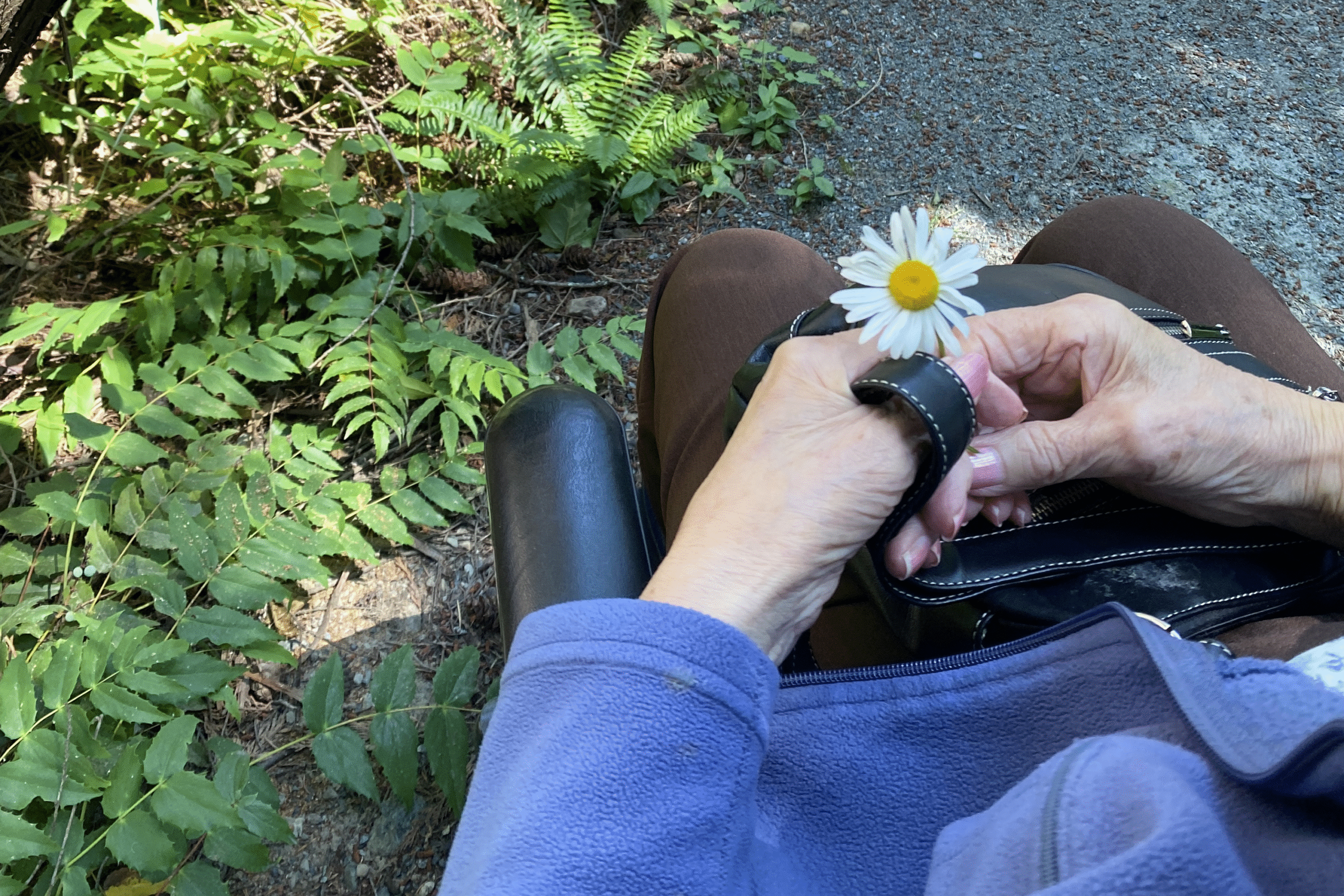
Each year during Horticultural Therapy Week, I find myself reflecting on why I am so committed to this work.
At its core, horticultural therapy is about connecting people with the healing powers of the soil, the garden, and nature. And it is a privilege to be part of that every day.
Much of my work is grounded in two ideas that help explain why nature is so meaningful to us as humans. The first is Biophilia, a concept introduced by Edward O. Wilson in 1984 (but let me be clear, Wilson may have been one of the first ones to include this concept in a scholarly article- but this is not a new belief. Indigenous Peoples have held this knowing for time immemorial), which describes our intuitive, evolutionary draw to nature. The second is Hortiphilia, described by Shoemaker, Relf, Park, and Dorn (2021), which I interpret as the innate human inclination to interact with, manage, and cultivate nature.
These two beliefs are the foundation of many parts of my work- my presentations, my pitches for new contracts, my own intrinsic motivation. Humans don’t just enjoy nature, we need it.
We evolved alongside plants, soil, water, and seasons. For thousands of years, we cultivated and cared for the land. Living between walls and beneath ceilings is a very recent chapter of human history.
If you’re interested in exploring these theories further, I wrote more about them in a previous post: “The Theories That Ground Horticultural Therapy (and Why They Help)”
The Privilege of Connecting People to Nature
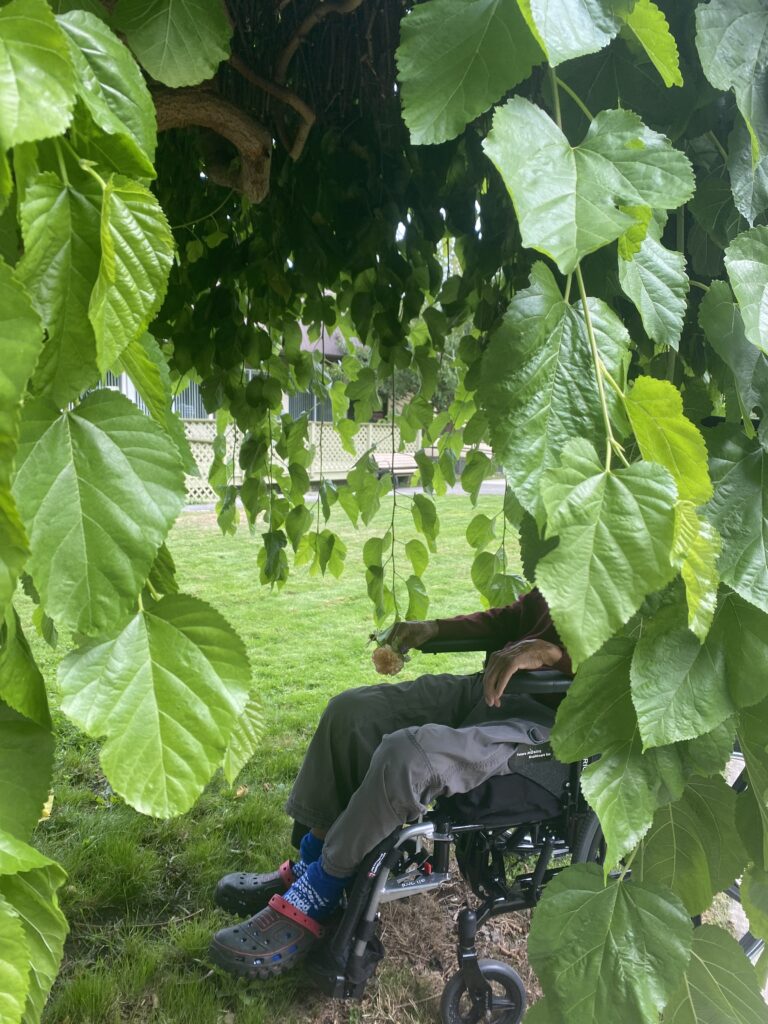
Sometimes I find it a bit ironic that I’ve found paid work reinforcing what feels like such a simple understanding.
And yet, it is an incredible privilege to witness this innate human connection to nature unfold in people every day.
Part of my role is to act as a bridge for people who face barriers to accessing nature, whether those barriers are illness, mobility challenges, isolation, community design, fear, or simply not knowing where to begin.
Being able to help reconnect someone with soil, plants, fresh air, and those little bits of wonder is a role I take seriously, and one I feel grateful for every day.
Seeing the Impact Firsthand
Along with all that I’ve rambled on about already, I also love this profession because I’ve seen it work.
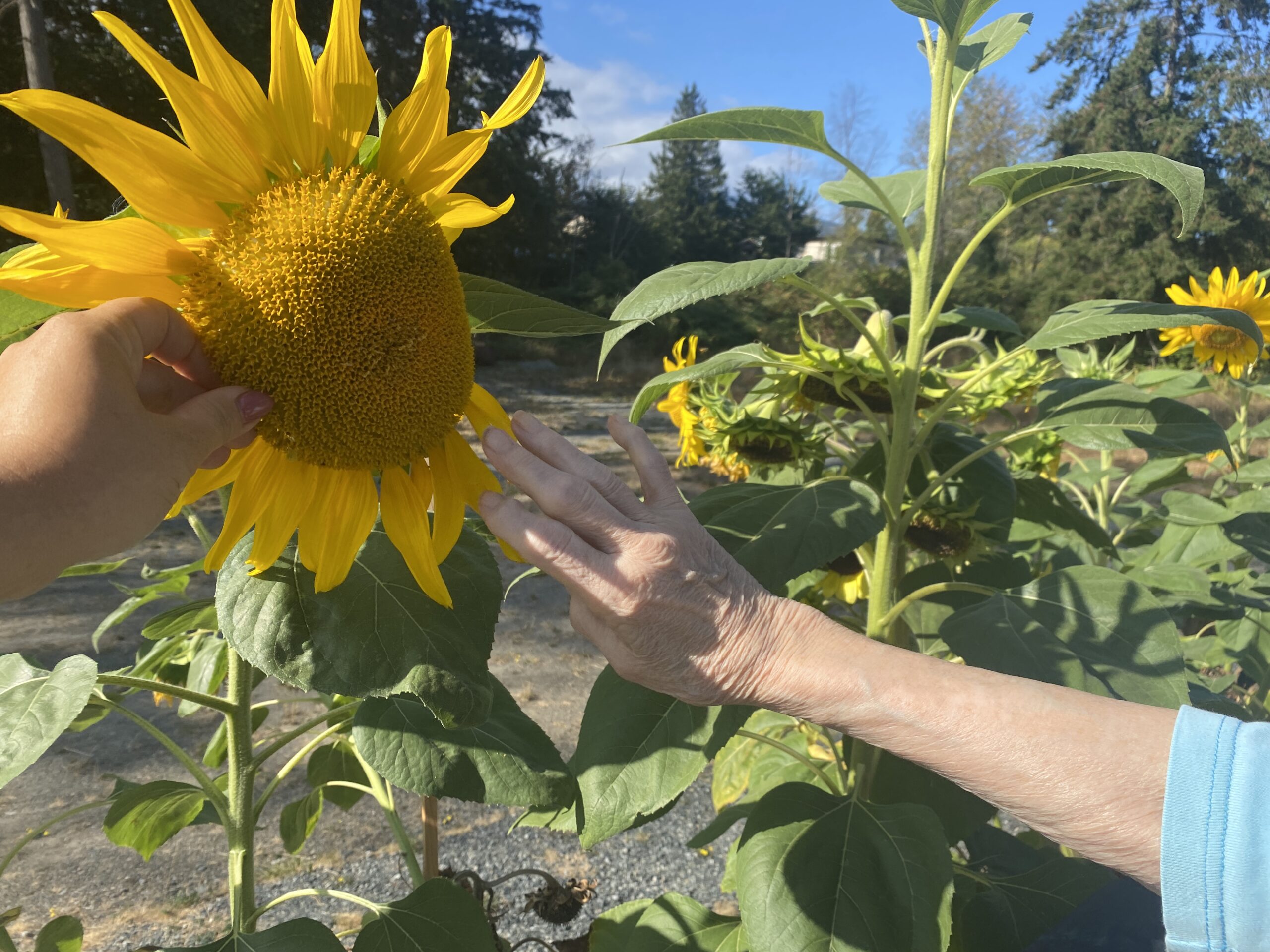
I’ve seen individuals maintain mobility because the motivation to keep gardening kept them moving, bending, reaching, and walking outside each day, even when they’ve had a stroke and had to move into long term care.
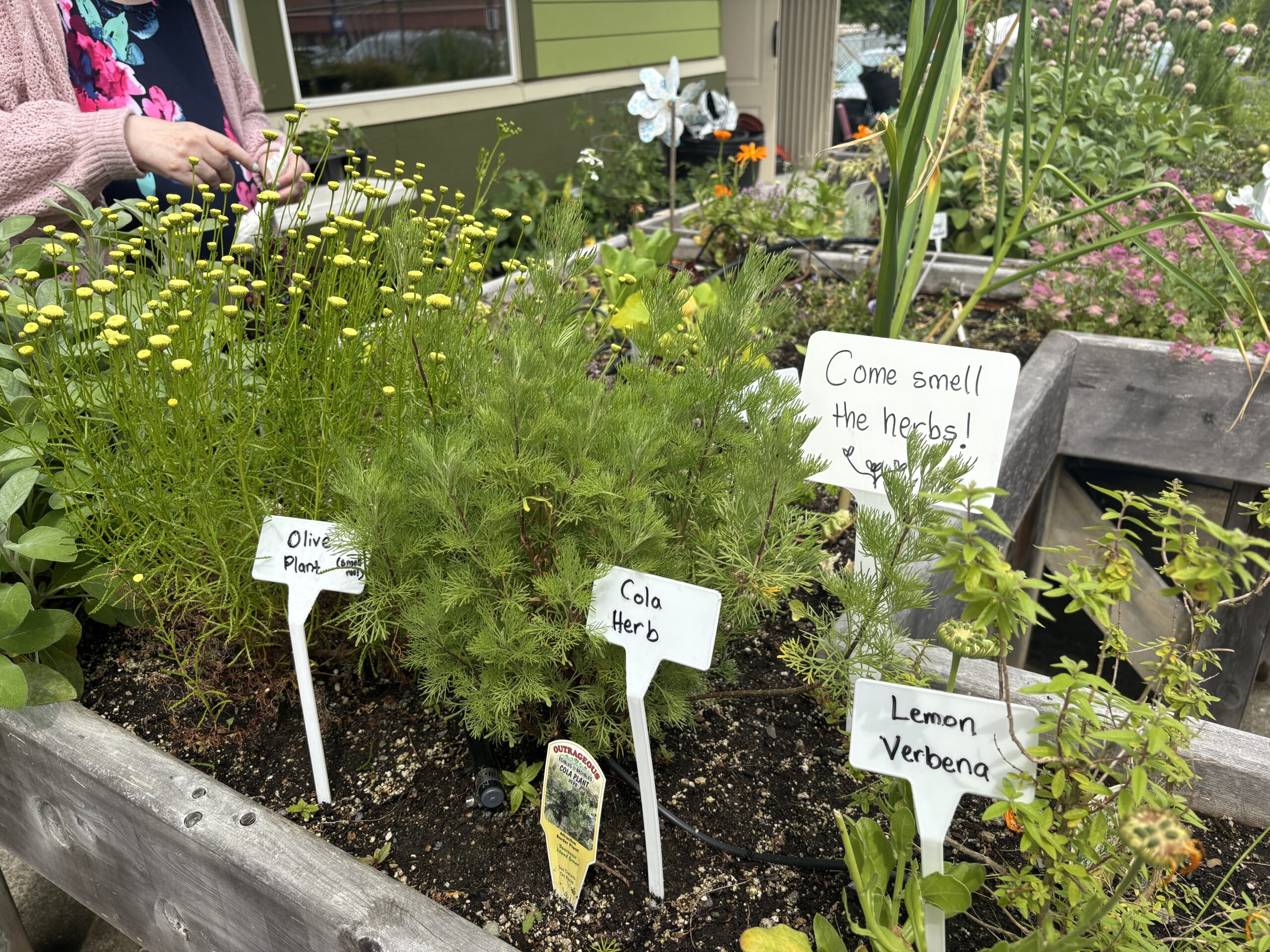
I’ve seen residents in care settings moved to tears remembering the freedom they once felt in nature. And I’ve been grateful to offer small moments, brief glimpses, back into that emotional state. A chance to hold soil again. To smell a plant. To feel the sun and air while tending the earth.
These moments remind me that the connection people feel to nature runs deep, even when illness, age, or circumstance have changed the way they experience the world. And that our health care system, and society, should have people like us- Horticultural Therapists- who are able to maintain this connection for any and all.
Showing People the Path Back to Nature
Another reason I care so deeply about horticultural therapy is that I believe showing people the path back to nature, even in small ways, can change how they view and care for our environment.
Sometimes that looks like:
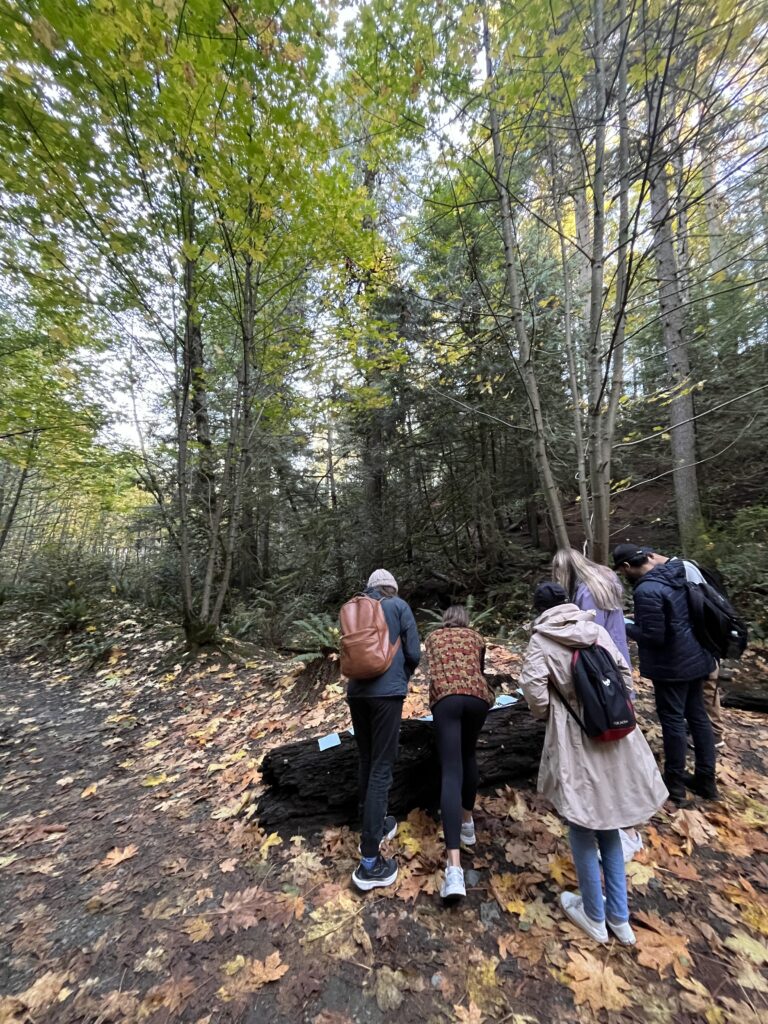
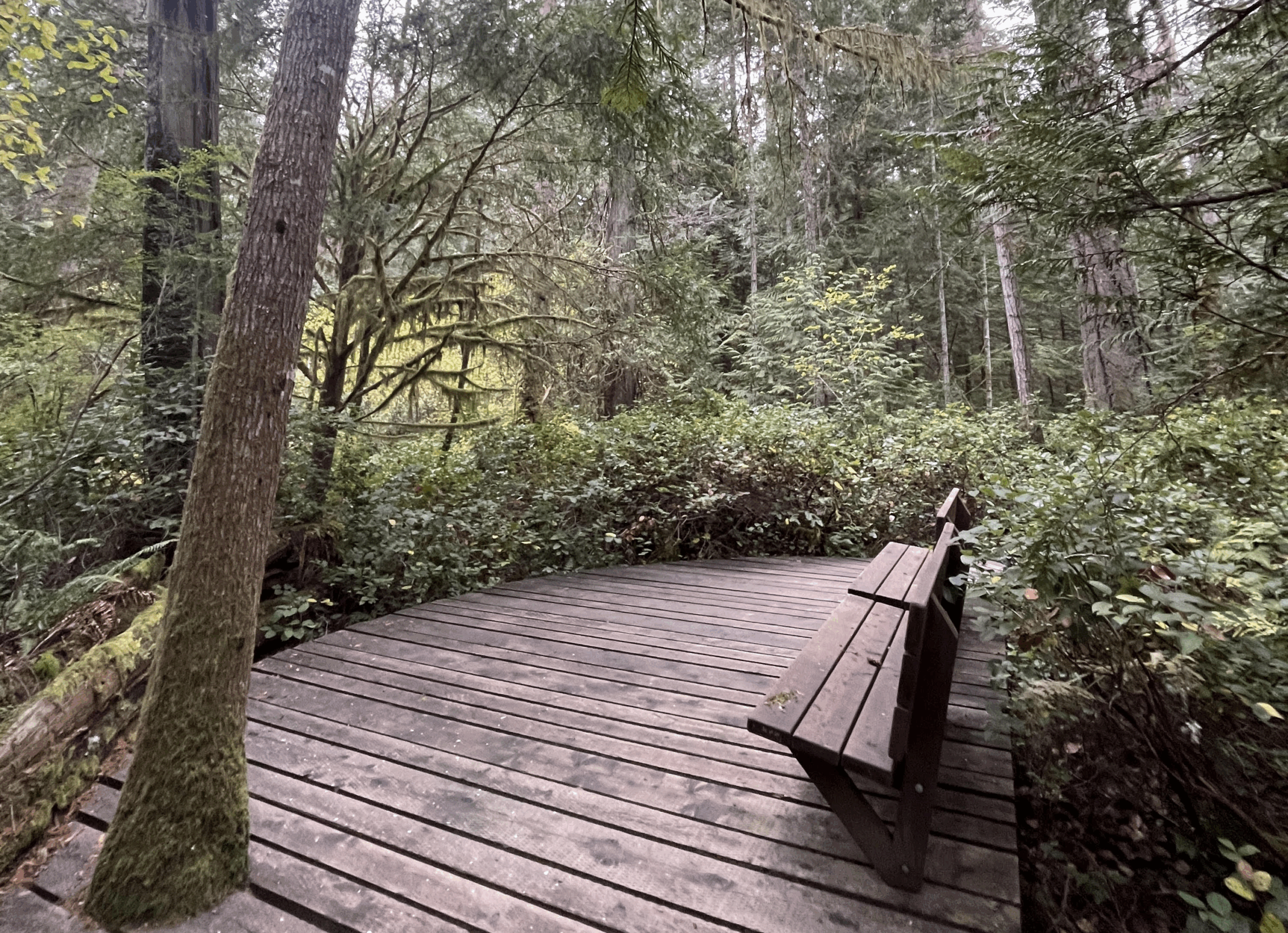
- Showing university students a nearby park or forest area they didn’t know existed
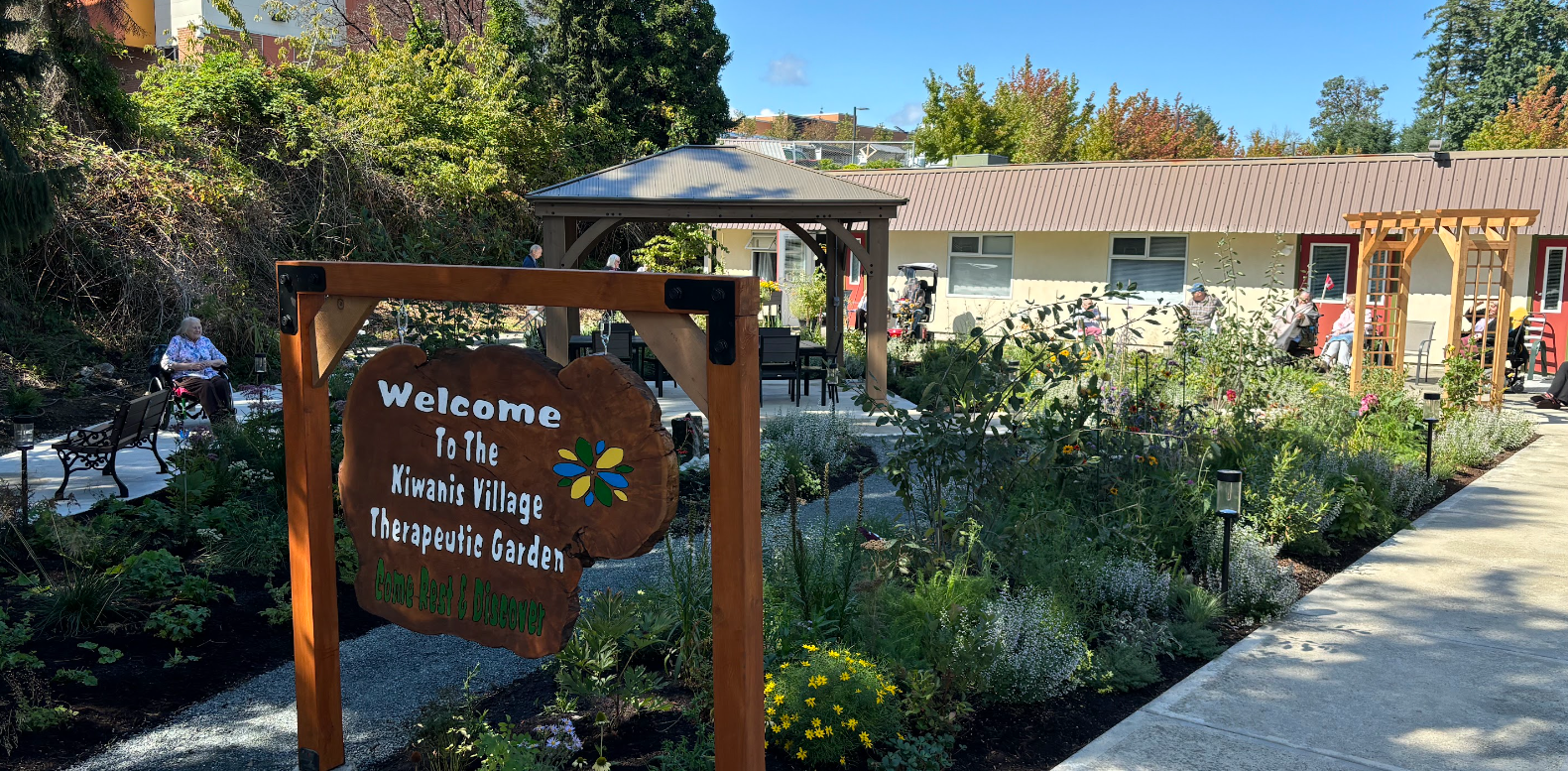
- Building small accessible gardens so seniors can keep their hands in the soil and continue gardening
- Running workshops that remind busy professionals to simply take a walk after work
- Creating opportunities for people to plant, grow, or care for something living
These experiences may seem simple. But they often spark something deeper. When people begin to know nature, they begin to care about nature.
That care matters for human health and wellbeing, but also, for the wellbeing of the earth itself.
Why I Believe This Field Will Continue to Grow
I also care about this work because I feel confident that horticultural therapy will continue to grow into something larger.
I have been a board member with the Canadian Horticultural Therapy Association (CHTA) for nearly seven years now, and I still find myself energized by the shared sense of growth and possibility within this community.
While we are still a relatively young profession, the opportunities ahead are incredible.
There is room for horticultural therapy in healthcare systems, schools, long-term care settings, community organizations, and public spaces. There is room for this work to influence how we think about health, connection, and environment.
The more we engage with plants, gardens, and landscapes,
The more we nurture them, learn from them, and share them,
The more likely we are to protect them.
And that is a future worth growing.
If you’re interested in learning more about horticultural therapy, I encourage you to explore the work of the Canadian Horticultural Therapy Association (CHTA), join us for the 2026 Virtual CHTA Conference (October 24–26), send me a message on Instagram @bvhorticulturaltherapy, or, if you know you want to do this work too, consider joining me for one of my courses this fall:
https://bvhorticulturaltherapy.com/education-and-speaking