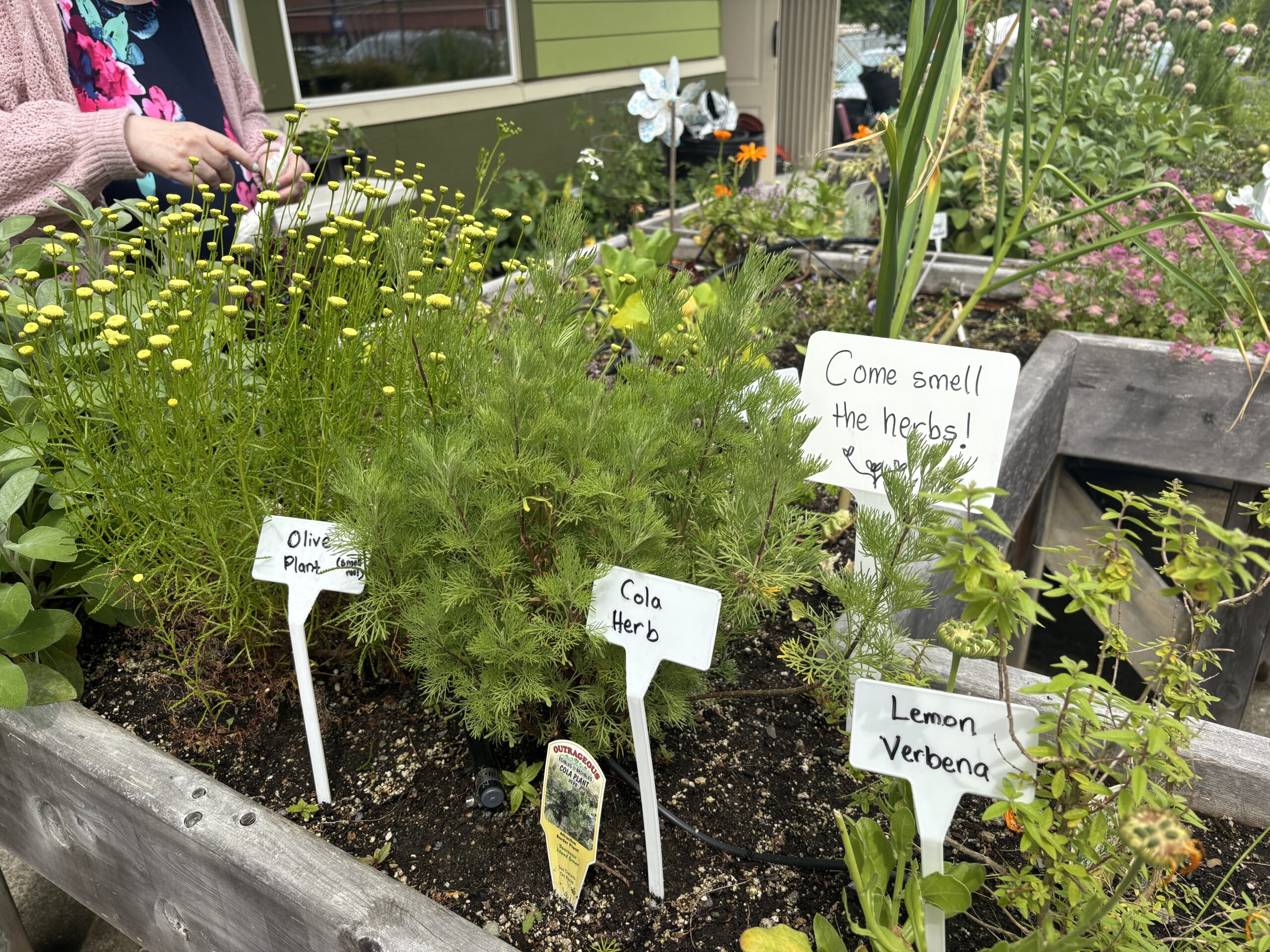
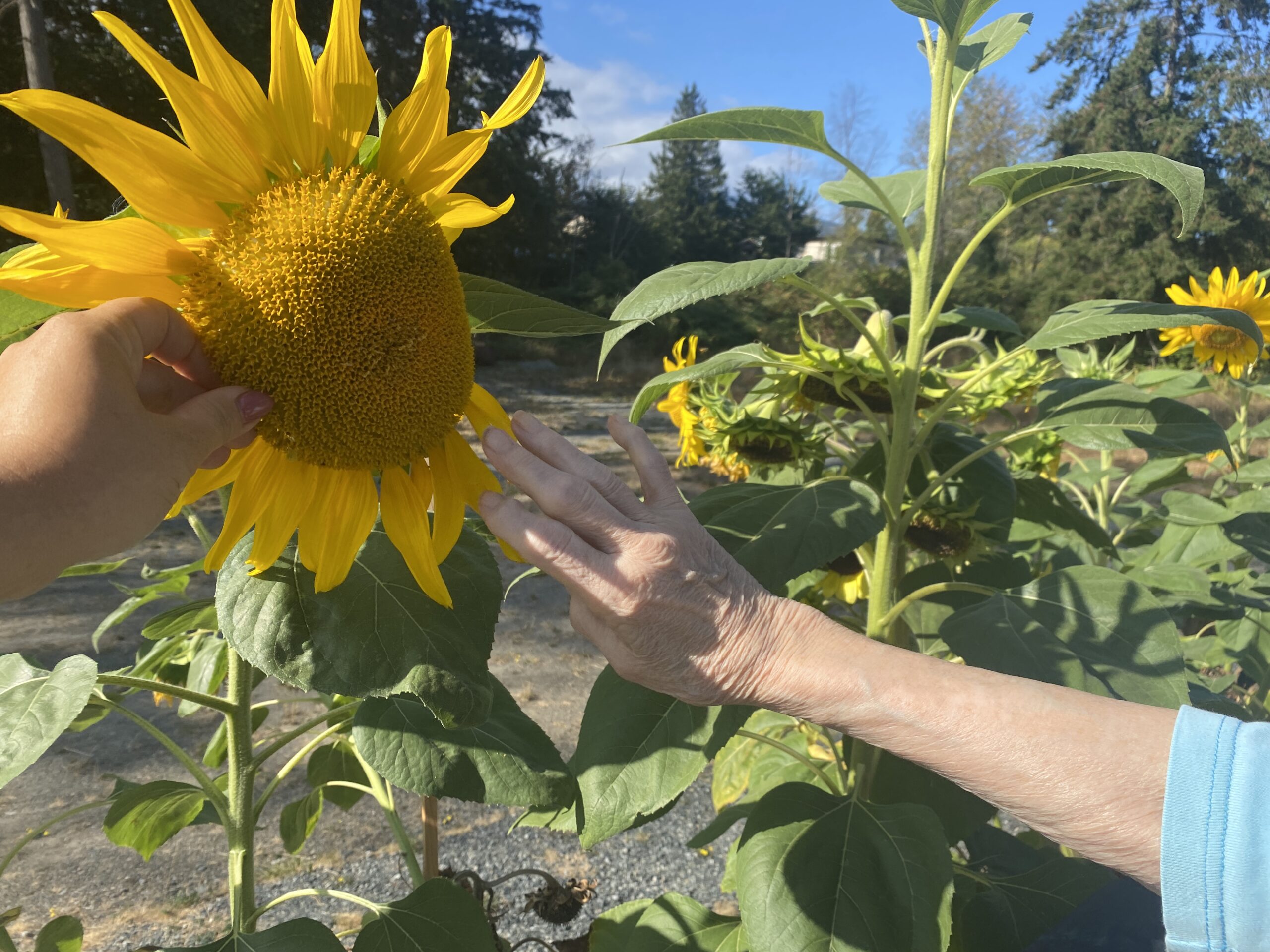
If you’ve ever felt your shoulders drop after putting your hands in soil, or noticed how a few minutes of watering plants can quiet a racing mind, you already know something about why horticultural therapy (HT) works. But when we’re trying to explain this work to others, or convince organizations and funders that it’s worth investing in, we need more than anecdotes about feeling better around plants.
The truth is, horticultural therapy supports mental health in ways that are both grounded in research and deeply felt in practice. Here’s why it works.
It Engages the Whole Person
Mental health extends beyond just the cognitive/ psychological component. It’s connected to your body, your environment, and your sense of agency in the world. HT naturally addresses all of these.
When you’re propagating cuttings or transplanting seedlings, you’re using fine motor skills, making decisions, and seeing the results of your actions. You’re also moving your body, engaging your senses, and often connecting with others. This holistic and physical engagement is part of what makes HT so effective, as it doesn’t isolate mental health from the rest of the human experience.
It Offers Meaningful, Goal-Oriented Work
One of the things I’ve observed again and again in sessions is how much people respond to having meaningful tasks. Not busy work. Not activities for activities’ sake. But real work with real outcomes.
There’s a difference between being told to “be mindful” and being given the opportunity to get lost in the process of nurturing something living. And there’s a difference in navigating anxious emotions in a indoor, seated setting- and while grounded in the earth. (Not to say other disciplines and levels of professional support are hindered by this, but pointing out how nature-based therapy offer an alternatives and approachable environment for difficult emotions.)
It Creates Space for Emotional Regulation
Plants don’t judge. Gardens don’t rush you. There’s something inherently regulating about working with living things at their own pace.
For people navigating anxiety, trauma, or other mental health challenges, this can be incredibly grounding. The repetitive, rhythmic tasks of gardening- sowing seeds, pruning, watering- offer a kind of somatic regulation that can be really, really effective. You’re not just thinking your way through distress; you’re moving through it.
It Builds Connection (Without Forcing It)
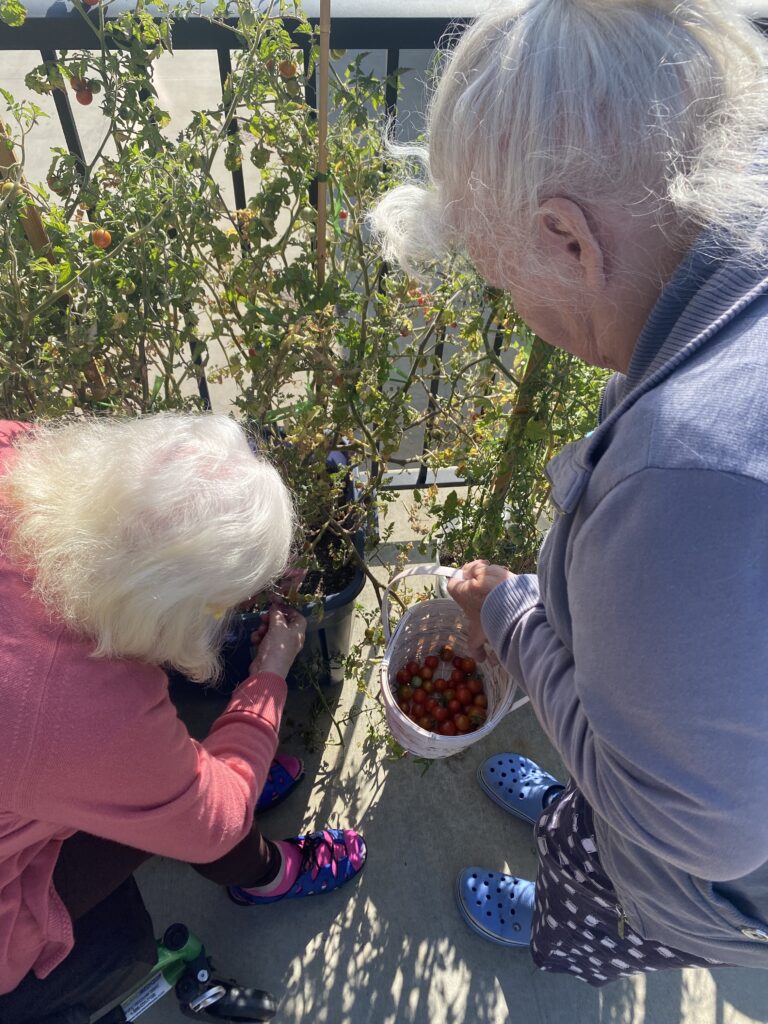
Isolation is one of the most significant risk factors for poor mental health, and yet, direct social interaction can feel overwhelming for many people. HT offers a middle ground.
Working side-by-side in a garden, people can connect without the pressure of constant eye contact or conversation. There’s a shared focus, the plants,. that creates natural opportunities for interaction while also allowing space for quiet. I’ve seen some of the most meaningful social connections develop in this kind of environment.
It Provides Biophilic Benefits
We’re wired to respond to nature. Research on biophilia (the innate human connection to living systems) shows that even brief exposure to natural environments can reduce stress, improve mood, and enhance cognitive function.
HT actively involves people in nature and this inherent connection to, and I’ve watched this intrinsic draw or tendency towards positive responses over and over.
The Research Backs It Up
While the lived experience of HT speaks for itself, the evidence base is ever-growing. A 2022 meta-analysis of randomized controlled trials found that horticultural therapy had a medium-sized positive effect on mental health outcomes, with no negative effects reported. The research showed that programs with at least eight sessions were most effective at improving mental wellbeing.
More recently, a 2024 study in Scientific Reports demonstrated that adult psychiatric inpatients who participated in horticultural therapy showed significant reductions in anxiety compared to control groups. What’s particularly interesting is that these benefits were consistent across different psychiatric conditions, suggesting that HT’s therapeutic mechanisms are broadly applicable.
This research builds on decades of work showing that horticultural therapy can reduce symptoms of depression and anxiety, improve self-esteem, and support recovery from trauma and addiction. It’s been used effectively in settings ranging from psychiatric hospitals to veterans’ programs to dementia care.
I share all this not to place HT above other treatments, or to contrast to other treatments, but to offer another pathway, one that meets people where they are and honours the connection between human wellbeing and the natural world, in a way that is proven to support mental health.
Final Thoughts
If you’re curious about horticultural therapy, whether for yourself or someone you care about, trust that pull you feel toward it.
The benefits are real, they’re measurable, and they’re rooted in something deeply human: our need to care for living things and to be part of something larger than ourselves.