“Both HT and TH involve human vulnerability. Neither should be approached casually or without adequate therapeutic training.”
In recent years, I’ve noticed a mixed, and at times, misleading, understanding of the terms Horticultural Therapy (HT) and Therapeutic Horticulture (TH). Sometimes, people assume that if a professional does not want to pursue in-depth training, they can simply “practice Therapeutic Horticulture” and, in doing so, step outside the rules, expectations, and standards of Horticultural Therapy.
This belief is not only inaccurate but potentially harmful. Both HT and TH involve deep human experiences, both joyful and painful. Neither should be approached casually or without adequate therapeutic training.
Defining HT and TH
The Canadian Horticultural Therapy Association (CHTA) describes the two this way:
- Horticultural Therapy (HT): A formal practice that uses plants, horticultural activities, and the garden landscape to promote well-being for participants. HT is goal-oriented, with defined outcomes and assessment procedures. Sessions are administered by professionally trained horticultural therapists.
- Therapeutic Horticulture (TH): An approach within HT that uses plants and plant-related activities to promote health and wellness for individuals or groups. TH may be more suitable when non-medical assessments are preferred, or the setting is not appropriate for clinical interventions. Goals and objectives are often flexible and self-directed. TH is facilitated by a trained horticultural therapy professional.
(CHTA, 2025 – https://chta.ca/)
The key point here is that both HT and TH require training in therapeutic skills. The distinction is not between “clinical” versus “casual,” but between two modalities of practice that are each grounded in therapy.
Why This Matters: A Story from Practice
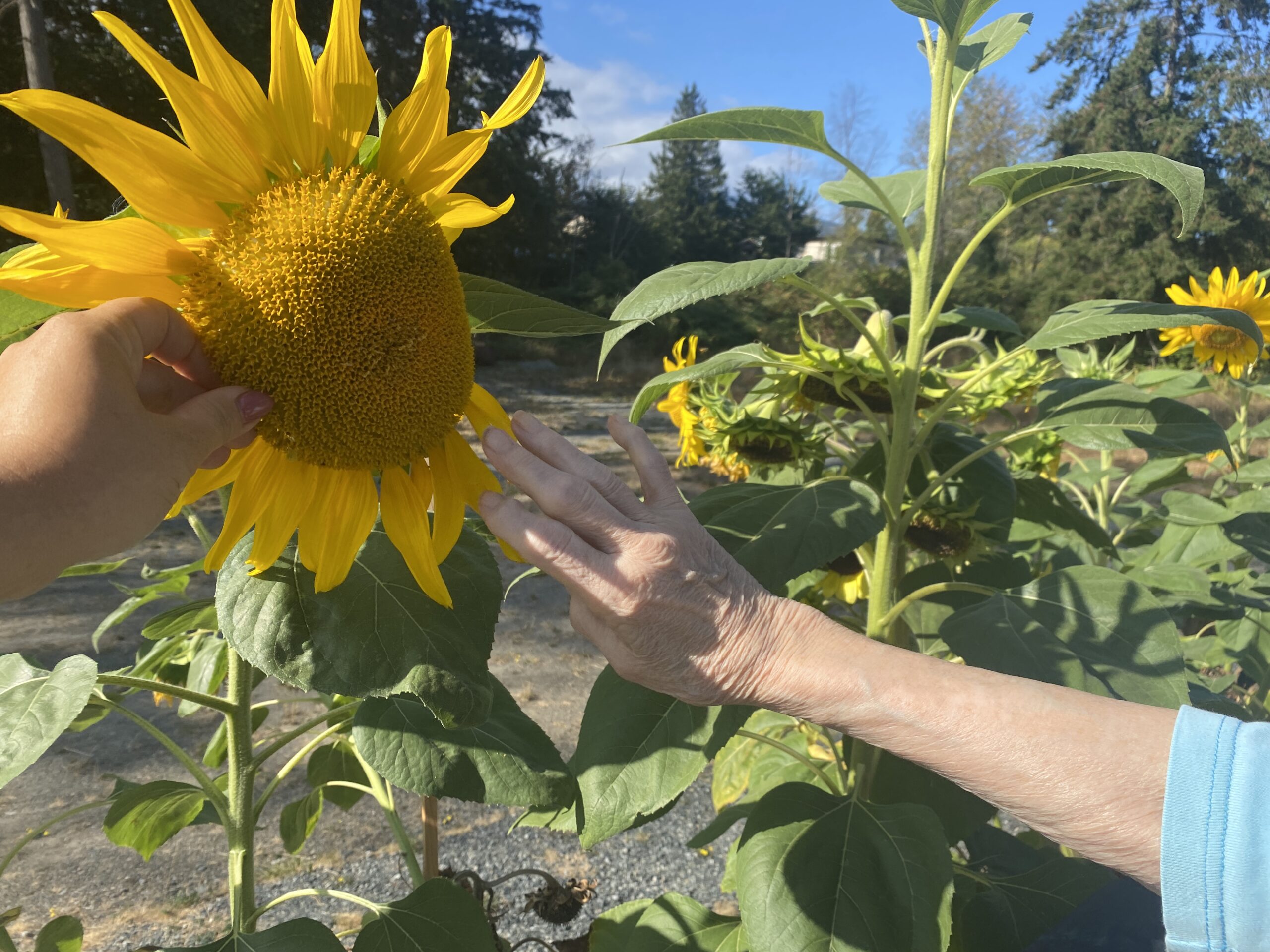
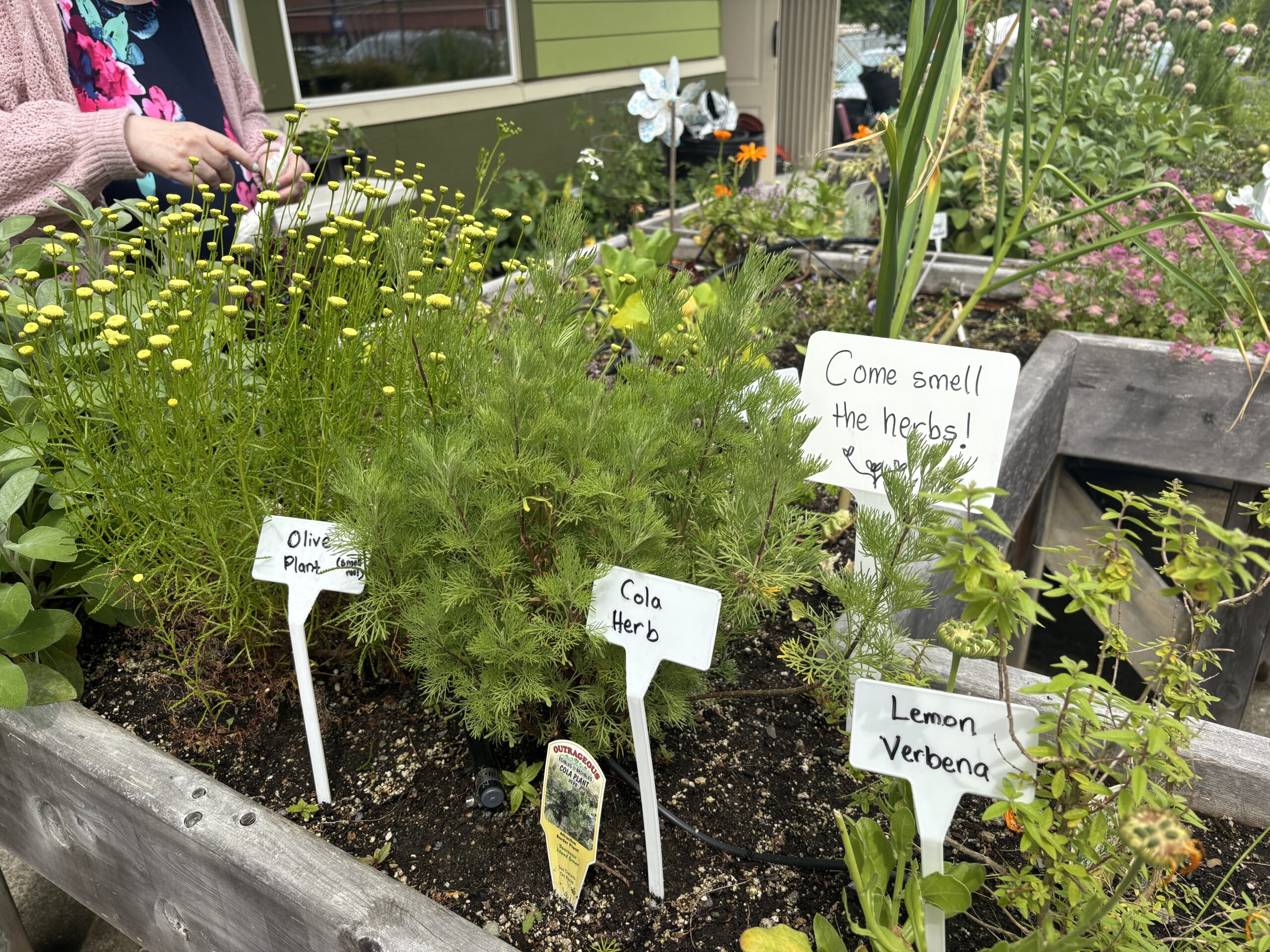
This distinction became very real for me while supporting a grant-funded project at a supportive housing building. The residents were individuals living with addictions, trauma, and mental health diagnoses. I only visited this site twice- and hosted spring planting and fall harvest sessions. Both of these sessions were intentionally designed as Therapeutic Horticulture.
Several factors influenced this choice: the drop-in format, participants’ resistance to traditional therapy structures, my limited ability to establish therapeutic relationships in advance, and the large garden space itself. Based on these conditions, TH was the right clinical decision.
But that did not make the sessions “lighter” or less demanding. Quite the opposite.
Amidst many of the positive moments, the learning, and the sensory exploration- some participants had painful memories emerge: stories of being punished with hours of weeding, or sent out into the garden as a child during moments of caregiver abandonment or anger. Trauma surfaced quickly, in ways that I could have predicted.
Thankfully, I was co-facilitating with an Occupational Therapist and supported by staff. Together, we drew on many therapeutic skills, redirection, body awareness tools, DBT strategies, empathetic listening, to hold space and guide participants toward safer ground. These colleagues were also consistent and present to provide after-care, ensuring no one was left alone with reopened wounds.
The reality is this: Therapeutic Horticulture can be just as intense, moving, and impactful as Horticultural Therapy. Sometimes even more so, precisely because of the unpredictability of drop-in or non-clinical formats. Without the therapeutic skills to navigate these moments, sessions could easily risk harm rather than healing.
The Impact of Garden-Based Care
Despite the challenges of this project, the benefits were powerful. Agne (2023) reminds us that “substance use disorder treatment facilities rarely include an outdoor component in their programming,” yet research shows that gardens decrease stress, enhance well-being, and strengthen social connections.
In this program, I saw those benefits firsthand. I noticed
- A space of non-judgment and equal contribution for residents.
- A sense of pride and ownership, often rare for individuals with limited access to positive ownership.
- Mutual support fostered through shared planting, care, and harvest.
- Opportunities for sensory integration for those with unique or affected sensory needs.
- Moments of choice and autonomy in environments where choice is often restricted.
These are not small outcomes. These can be deeply therapeutic.
Why Training Cannot Be Optional
My reflection from this project is twofold:
- It was an enormous privilege to witness the garden’s impact on individuals living with addiction and trauma, and I’m grateful to have been a part of it.
- It confirmed for me that Therapeutic Horticulture is not a lesser modality, nor a “loophole” for those avoiding professional training.
Both HT and TH involve human vulnerability. Both can stir memories of trauma as much as they can nurture joy. And both demand that the facilitator be equipped with therapeutic skills to navigate the complexities that arise.
That is why the CHTA emphasizes: whether practicing HT or TH, a trained Horticultural Therapy professional, ideally a Registered Horticultural Therapist (HTR), is essential.
Because ultimately, it’s not just about the plants. It’s about people. And people deserve facilitators who are prepared to support them with skill, safety, and care.
Reference:
Agne, S. (2023). The Use of Therapeutic Gardening in Addiction Recovery.